Roles and Power: Hungary’s Year-End Political Moment

In just a few weeks, perhaps one of the most exhausting, symbolically understood Zimbardo experiments in the history of Hungarian society will come to an end. Observing from abroad, from the United Kingdom, it increasingly feels as if the political processes of recent years have reshaped not only institutions but also roles. The question today is no longer merely who will govern, but also who will remain “prisoners” and who will become the guards of the next cycle in a system where political identity is slowly overriding the personal one.

Read more

From Concrete Streets to Global Arenas: Hungarian Skateboarding Between Subculture and the Olympic Age

For more than three decades, Moldova has stood somewhere between geography and geopolitics, between a Soviet inheritance and a European ambition. Today, as Chişinău edges closer to the European Union, the country’s journey offers a revealing test case for whether the EU is truly prepared politically, institutionally, and economically to absorb new members in an era defined by war, shifting power balances, and internal fragmentation.

Read more

Orbán’s New Opponent: Mr. V-Power

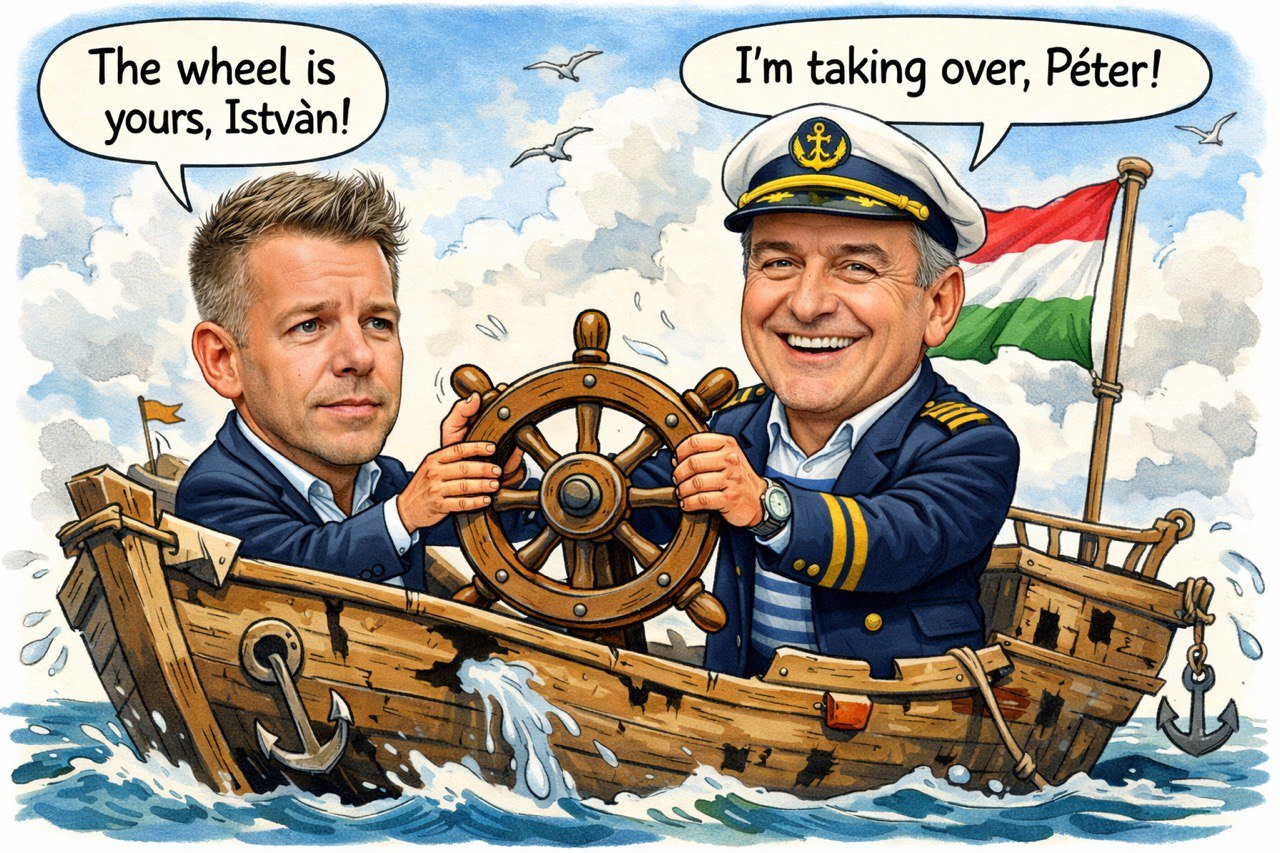
István Kapitány, one of Shell’s global executive vice presidents, has stormed into Hungarian politics with enormous energy, right at the peak of the campaign season. He has put a 37-year multinational career and a carefully built international reputation on the table for what he sees as a higher calling: securing victory for the Tisza Party. And it seems even the party’s leader has begun to realise that a long-running one-man show may no longer be enough.

Read more

When an Elected Leader Starts Acting Like Royalty

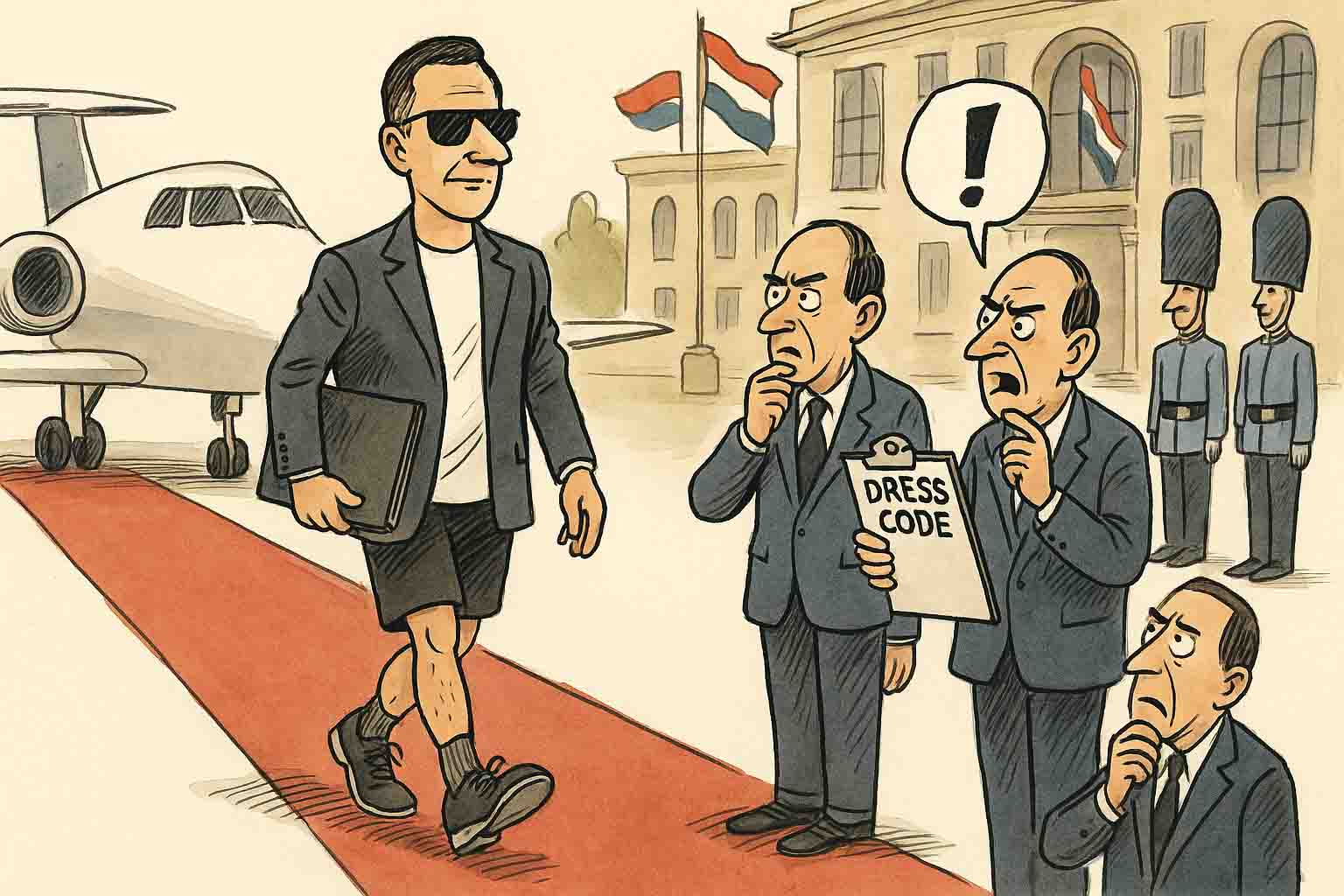
In most foreign ministries, diplomatic travel is a logistical exercise. In Hungary’s, it has become a lifestyle genre. For years, insiders on Budapest’s Bem rakpart have whispered about the increasingly operatic travel requirements of the country’s foreign minister, Péter Szijjártó. Now, fresh accounts confirm that what masquerades as protocol is in fact the curated comfort regime of a man who behaves less like a public servant and more like a monarch in tracksuit diplomacy.

Read more

When Diplomacy Becomes a Distortion: Rethinking Hungary’s Foreign Trade Machinerys

For more than a decade, Hungary has operated a parallel system within its foreign policy apparatus – a sprawling network of so-called foreign trade attachés (KGA), conceived as one of Minister Péter Szijjártó’s signature projects. Today, with 134 attachés stationed across 86 countries, the operation costs taxpayers an estimated 20 billion forints annually, a figure that invites the obvious question: what, exactly, does the Hungarian economy receive in return?
The honest answer is: very little.

Read more

The Institutional Background of Hungary’s Diplomatic Personnel Crisis

The foreign service is one of the most important state institutions of any country. Embassies and consulates do far more than perform protocol duties: they represent economic interests, facilitate strategic information exchange, carry out cultural diplomacy, provide security assessments, and manage crisis situations. Foreign policy can only function with a stable, well-trained, and professional staff. This is why it becomes particularly striking when a country’s diplomatic system gradually—almost imperceptibly—loses its professional weight and becomes increasingly politicised.

Read more

Hungary’s Faith Diplomacy: The Rise and Realities of the Hungary Helps Program

In the Ministry for Foreign Affairs and Trade (Külgazdasági és Külügyminisztérium) in Hungary there operates a State Secretariat for the Aid of Persecuted Christians and for the Hungary Helps Program.¹ According to official descriptions, no other country in the world has a state or diplomatic body with this exact name or mandate.² The budget line for this Secretariat appears in the Ministry’s chapter of the state budget under the title “Hungary Helps Program” (HHP) and at the sub-heading of that name.³ For the current year, the appropriation is approximately HUF 5.6 billion.⁴

Read more

Out of Africa: Hungary’s Faltering Continental Strategy

When the Trump administration signed its Most-Favoured Nation (MFN) executive order in 2025, few doubted the measure would shake global pharmaceutical markets. By tying U.S. drug prices to the lowest government-negotiated rates in Europe and Canada, the White House pitched the plan as relief for American patients at the pharmacy counter.

Read more

FC Taxpayer: How Orbán Is Buying Influence through Football in the Region

In the first part of the series, I outlined how the Hungarian Prime Minister has used public money to influence football teams and use football for his political advantage. But his playground is not only Hungary. Over the last decade, Viktor Orbán has turned football into a powerful international political tool, funneling millions of euros into foreign clubs, particularly in countries with Hungarian minorities. While these investments are often framed as cultural and sports diplomacy, they serve a much broader purpose: expanding Hungary’s influence in Central and Eastern Europe.

Read more
Title
.