Europe’s Defence Shift and the Opportunity for Hungarian Industry

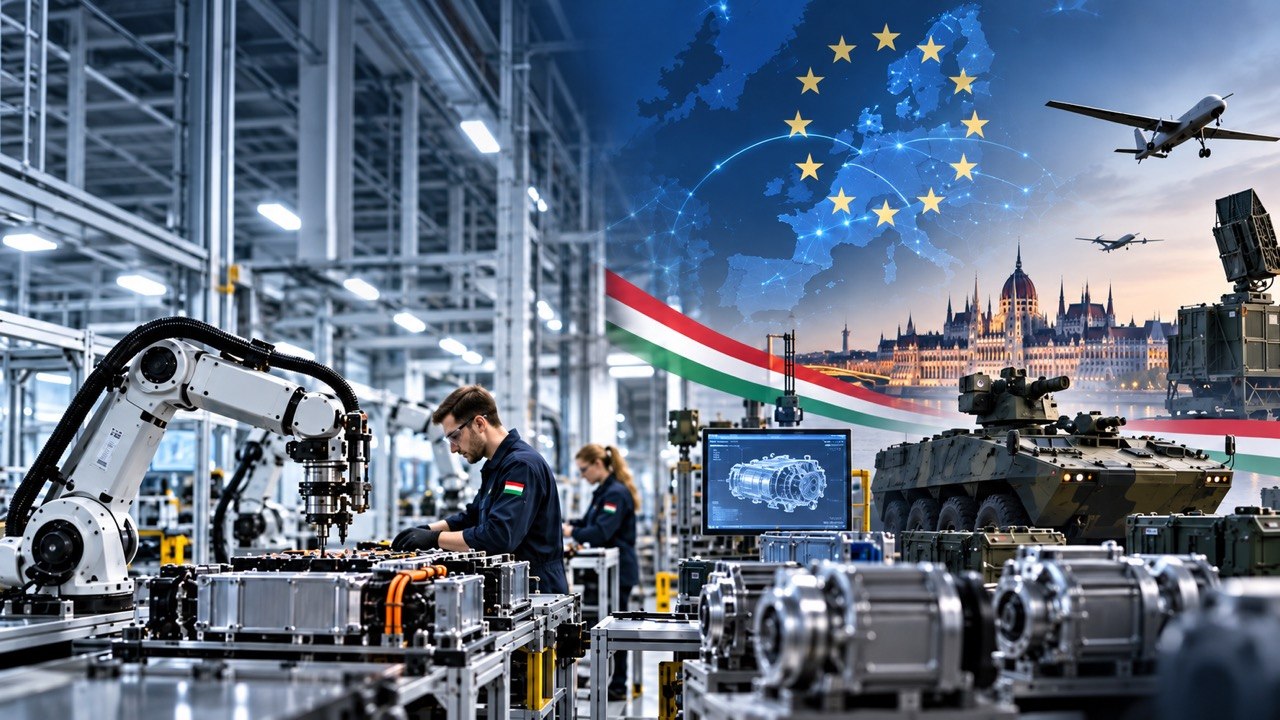
European defence procurement could open new markets for Hungarian automotive suppliers. SAFE financing, however, can support lasting industrial development only when military needs are matched with competitive corporate capabilities, appropriate technology rights and sustainable business models. For Hungary, the stakes are preserving existing engineering expertise and developing activities that generate greater value added.

Read more

Canada as the EU’s First Associate Member? The Emergence of a New Model of Transatlantic Integration

The idea of Canada becoming the European Union’s first “associate member” could signal more than another upgrade of transatlantic cooperation. With trade, research, defence, economic security and strategic technologies already drawing the two sides closer together, the proposal raises a broader question: could the EU develop a new form of integration for close partners that falls short of membership but goes significantly beyond a conventional strategic partnership?

Read more

Le Mans: Where Manufacturers Race Not Only for Victory, but for the Future

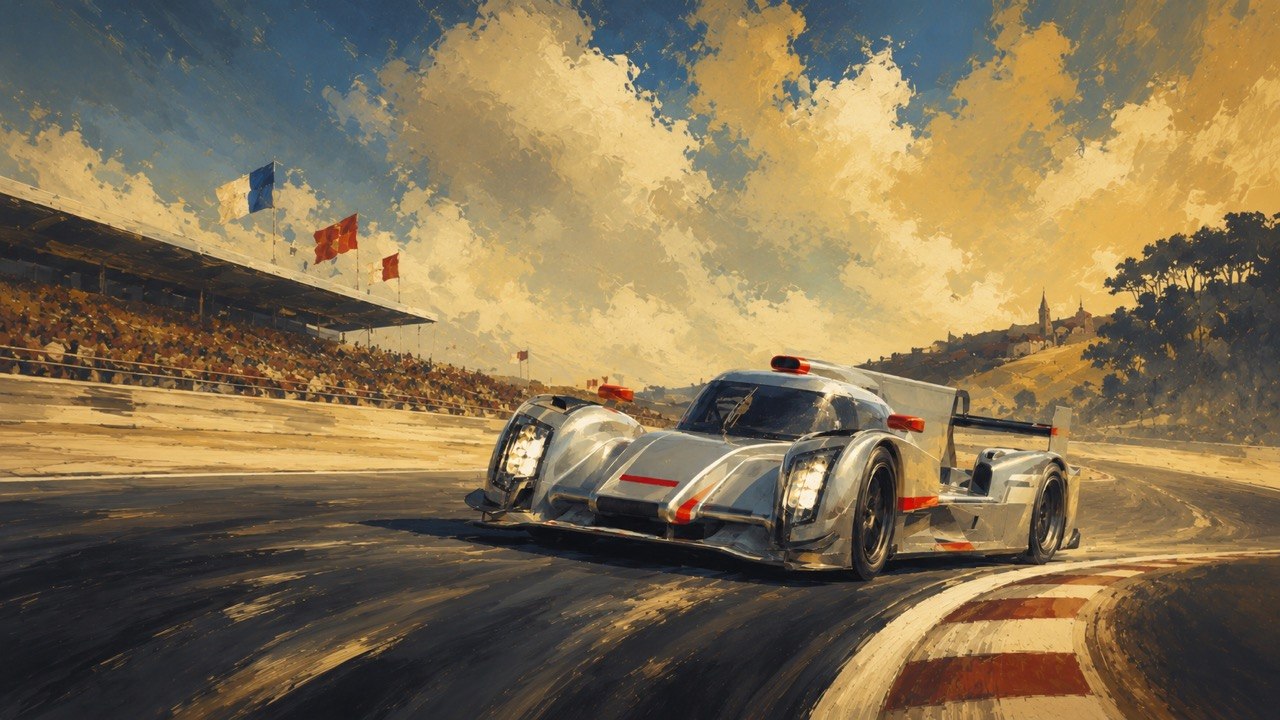
The 24 Hours of Le Mans is far more than a motorsport event. It is a technology laboratory, a brand building stage, an industrial stress test and a strategic message to the market. A manufacturer that lines up at Le Mans is not simply trying to win a race. It is trying to prove that its brand is fast, durable, innovative and capable of surviving one of the toughest tests in the automotive world.

Read more

Beyond the Red Dot: What the iCAUR V23 Award Reveals About China’s Automotive Design Turn

A Design Award as an Industry Signal. A design award rarely changes the fate of a car on its own. It does not automatically make a model successful, turn a brand into a global force, or prove that a manufacturer can compete in Europe, America or the Middle East in the long run. Yet the iCAUR V23 winning the Red Dot Award: Design Concept 2026 means more than a polished marketing line. It is interesting because it points to a broader industrial transformation: Chinese carmaking is gradually moving beyond the era that outsiders long associated with imitation, recycled European and Japanese design cues, and the so-called “copy-paste” logic.

Read more

Belgium Holds 16th Place Worldwide as Institutional Fragmentation Limits Public-Service Value

Wealth of Nations Index 2026.

Belgium holds 16th place worldwide in the Wealth of Nations Index 2026, with its overall position unchanged from the previous edition. The result points to a familiar Belgian paradox: a relatively strong private economy is doing more of the work, while the public sector delivers less value than the country’s income level would suggest.

Read more
Title
.