Who Protects the Children?

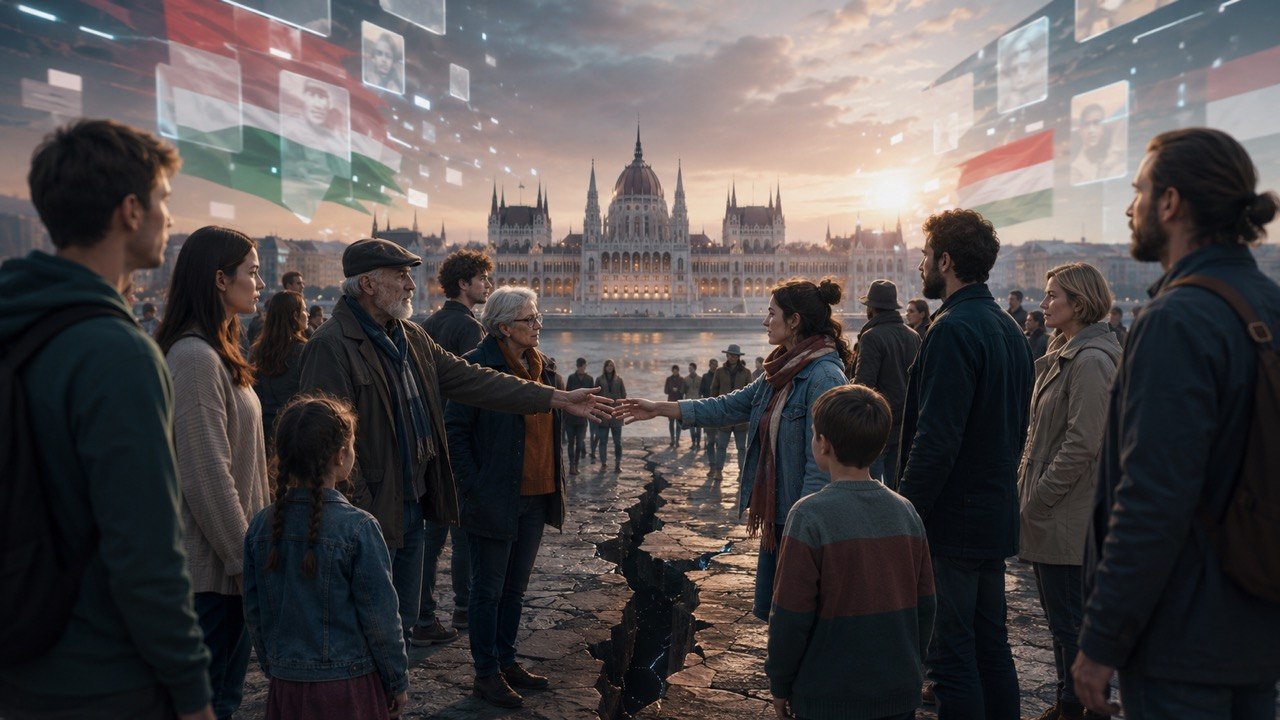
Almost two months ago, I promised to write about my work in the UK. Instead, I was swept up by the long‑awaited political change that finally took place in Hungary. The journey leading up to the night of 12 April was rocky and deeply emotional. It began two years earlier, with a presidential pardon granted by the then head of state, Katalin Novák.

Read more

Young People Did Not Decide Yesterday: How a Generation Came of Age in Crisis

On April 12, Hungary voted, and since then young people, many of whom were voting for the first time, have been blamed. Based on earlier turnout rates, young people had not seemed interested in politics, yet this time a significant wave of mobilization took place. I found two possible reasons that may explain this shift, and in this article I examine the social, economic, and other conditions that produced this remarkable level of participation, as well as what shaped young people’s new political consciousness.

Read more

The “Cserdi Model”

In Central and Eastern Europe, the question of social inclusion has remained a recurring policy challenge for decades. In communities facing structural disadvantage, interventions are often built around external programmes, financial support, and institutional solutions. Less often do initiatives emerge that seek to produce lasting change at the local level by relying on internal resources and community-based agency.

Read more
Title
.