
Without the Right to Return Home
Hungary’s stricter family reunification rules raise difficult questions for Hungarian citizens living abroad with non-EU spouses and families

Hungary’s stricter family reunification rules raise difficult questions for Hungarian citizens living abroad with non-EU spouses and families

Sixteen years ago, I left Hungary for New Zealand, partly to get as far away as possible from what I already saw unfolding at home. To my surprise, I felt at home almost from the first moment. New Zealand became my chosen country: a place where everyday kindness, public dignity and community solidarity made life feel livable. Yet Hungary remained painfully present through my family, friends and the news I followed from afar.

I thought that after earlier debates around naturalisation, there was little left that could surprise me about Hungarian citizenship policy. I was wrong.

A personal story about emigration, integration, motherhood, homesickness, and what it means to return from a country that offered security but never fully became home.

Hungary’s demographic debate often asks why younger generations are not having children. A more difficult and perhaps more useful question is what kind of economic and social environment has made family formation feel increasingly risky rather than natural.

Sometimes a single gesture can travel further than words. A ring given by a mother in Africa to a woman she had never met becomes a symbol of the quiet, invisible bond between women, and of the shared strength of motherhood across continents.

Hungary’s demographic crisis is often framed as a problem of individual choice, with younger generations accused of refusing family life and parenthood. Yet the roots of the country’s population decline lie much deeper, in long-term historical, political, and social processes that began decades ago.

My personal impressions from the iCAUR International Business Summit, where journalists, influencers, and dealers from all over the world could experience the same thing I did: this brand did not simply present itself, it drew people in.
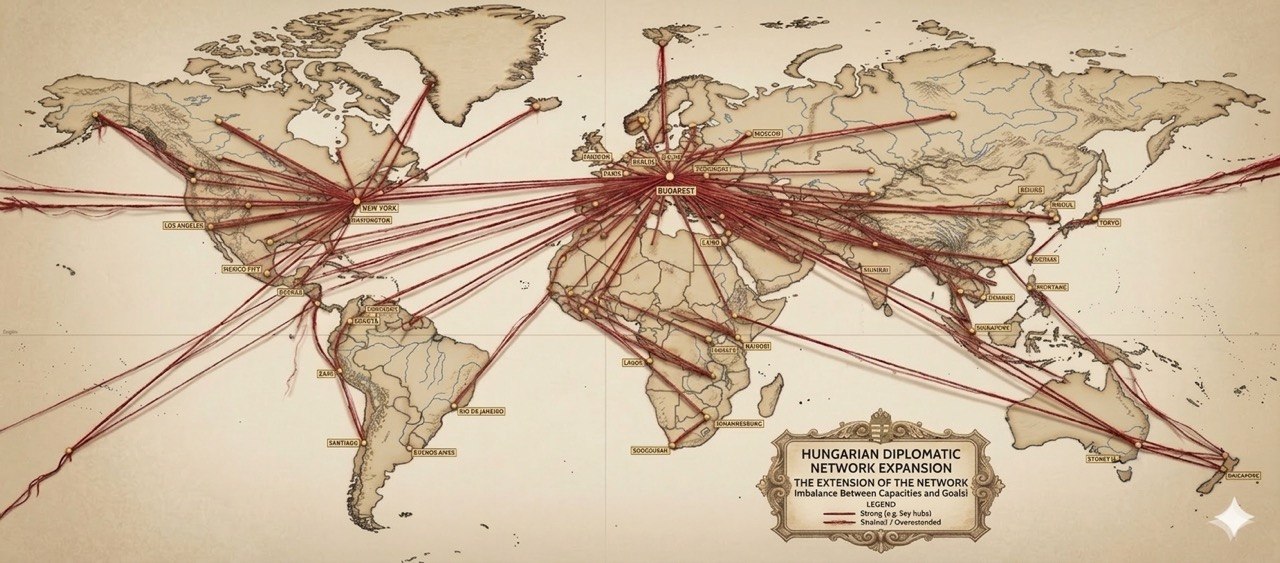
Hungary’s diplomatic network has expanded well beyond what its foreign policy priorities, institutional capacity, and professional standards can reasonably sustain. Any serious reform of the foreign ministry will have to address not only questions of cost, but also the structure, purpose, and staffing logic of its global presence.

Simon Wintermans’ life story connects Dutch family legacy, Central European transition, rural Hungary and a warning about the fragility of democracy.

Central European Affairs Magazine