Hungary’s Quiet Agritech Challenger Goes Global

When multinationals dominate precision agriculture with deep capital reserves and aggressive R&D cycles, a small Hungarian firm would seem an unlikely contender on the world stage. Yet Machinery Guide, a Szeged-based developer of agricultural guidance software and mobile-based control systems, has quietly expanded into more than 20 markets across Europe, South America and Australia. Its story shows how Central European engineering can gain global relevance even in one of the most competitive technology sectors.

Read more

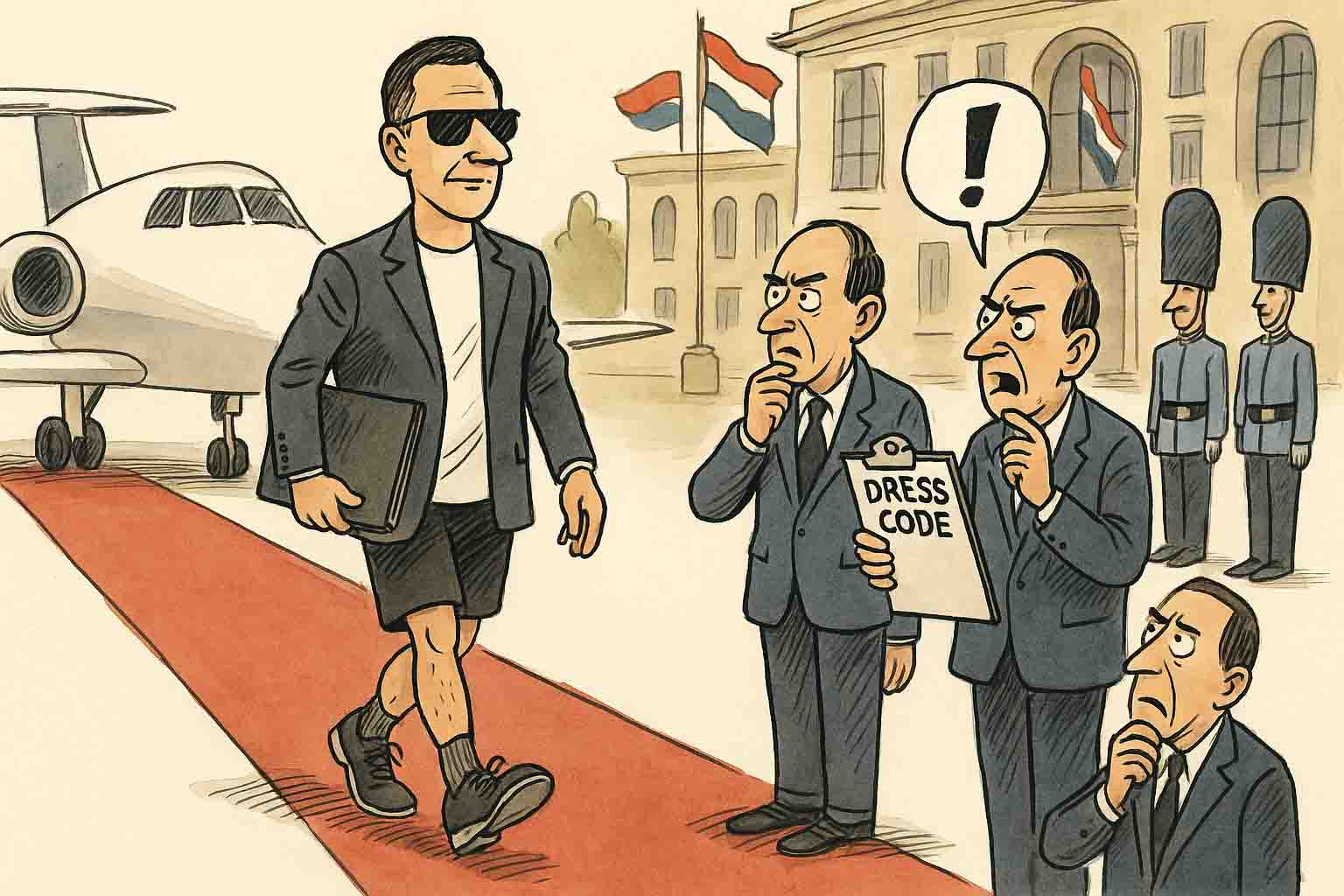
When an Elected Leader Starts Acting Like Royalty

In most foreign ministries, diplomatic travel is a logistical exercise. In Hungary’s, it has become a lifestyle genre. For years, insiders on Budapest’s Bem rakpart have whispered about the increasingly operatic travel requirements of the country’s foreign minister, Péter Szijjártó. Now, fresh accounts confirm that what masquerades as protocol is in fact the curated comfort regime of a man who behaves less like a public servant and more like a monarch in tracksuit diplomacy.

Read more

When Diplomacy Becomes a Distortion: Rethinking Hungary’s Foreign Trade Machinerys

For more than a decade, Hungary has operated a parallel system within its foreign policy apparatus – a sprawling network of so-called foreign trade attachés (KGA), conceived as one of Minister Péter Szijjártó’s signature projects. Today, with 134 attachés stationed across 86 countries, the operation costs taxpayers an estimated 20 billion forints annually, a figure that invites the obvious question: what, exactly, does the Hungarian economy receive in return?
The honest answer is: very little.

Read more

Moldova at the Crossroads: The Political Economy Behind Europe’s Next Enlargement Test

For more than three decades, Moldova has stood somewhere between geography and geopolitics, between a Soviet inheritance and a European ambition. Today, as Chişinău edges closer to the European Union, the country’s journey offers a revealing test case for whether the EU is truly prepared politically, institutionally, and economically to absorb new members in an era defined by war, shifting power balances, and internal fragmentation.

Read more

Moldova at the Crossroads: A Small State Navigating Big Geopolitics

Few countries illustrate Europe’s fractured geopolitical landscape as vividly as Moldova. A nation of under three million people, it has carried the heavy weight of contested histories, overlapping identities, and unresolved conflicts for more than a century. Today, Moldova again finds itself at a moment of profound transformation—caught between war on its border, competing political narratives at home, and the gravitational pull of the European Union.

Read more

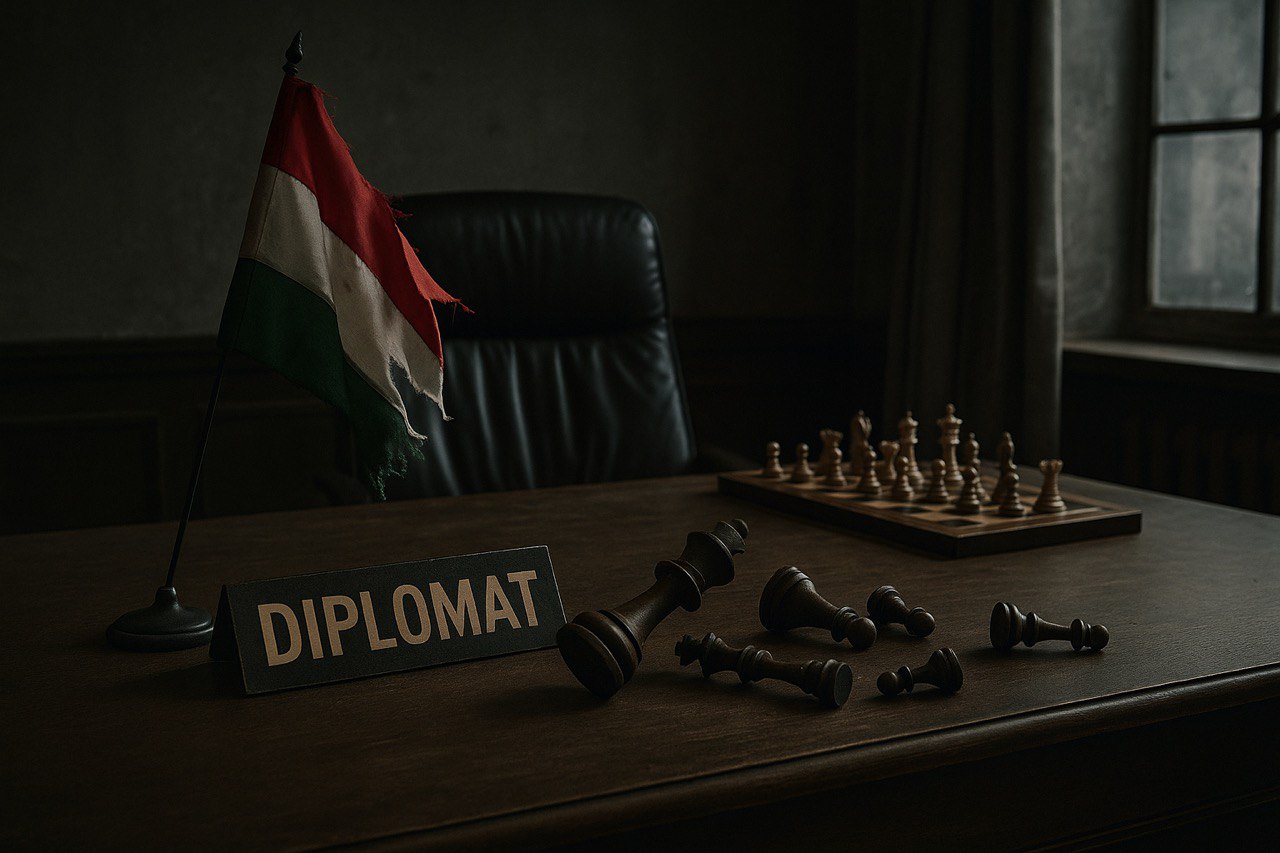
The Institutional Background of Hungary’s Diplomatic Personnel Crisis

The foreign service is one of the most important state institutions of any country. Embassies and consulates do far more than perform protocol duties: they represent economic interests, facilitate strategic information exchange, carry out cultural diplomacy, provide security assessments, and manage crisis situations. Foreign policy can only function with a stable, well-trained, and professional staff. This is why it becomes particularly striking when a country’s diplomatic system gradually—almost imperceptibly—loses its professional weight and becomes increasingly politicised.

Read more

Hungary’s Faith Diplomacy: The Rise and Realities of the Hungary Helps Program

In the Ministry for Foreign Affairs and Trade (Külgazdasági és Külügyminisztérium) in Hungary there operates a State Secretariat for the Aid of Persecuted Christians and for the Hungary Helps Program.¹ According to official descriptions, no other country in the world has a state or diplomatic body with this exact name or mandate.² The budget line for this Secretariat appears in the Ministry’s chapter of the state budget under the title “Hungary Helps Program” (HHP) and at the sub-heading of that name.³ For the current year, the appropriation is approximately HUF 5.6 billion.⁴

Read more

Europe’s Chat Control Dilemma: Between Child Protection and Digital Privacy

As the European Union grapples with one of the most divisive digital policy debates in recent years, the so-called “Chat Control” proposal has come to symbolise a wider struggle between public safety and the right to privacy. Officially known as the CSAM scanning regulation, the measure seeks to detect and prevent the spread of child sexual abuse material online by requiring messaging platforms to automatically scan private communications.

Read more

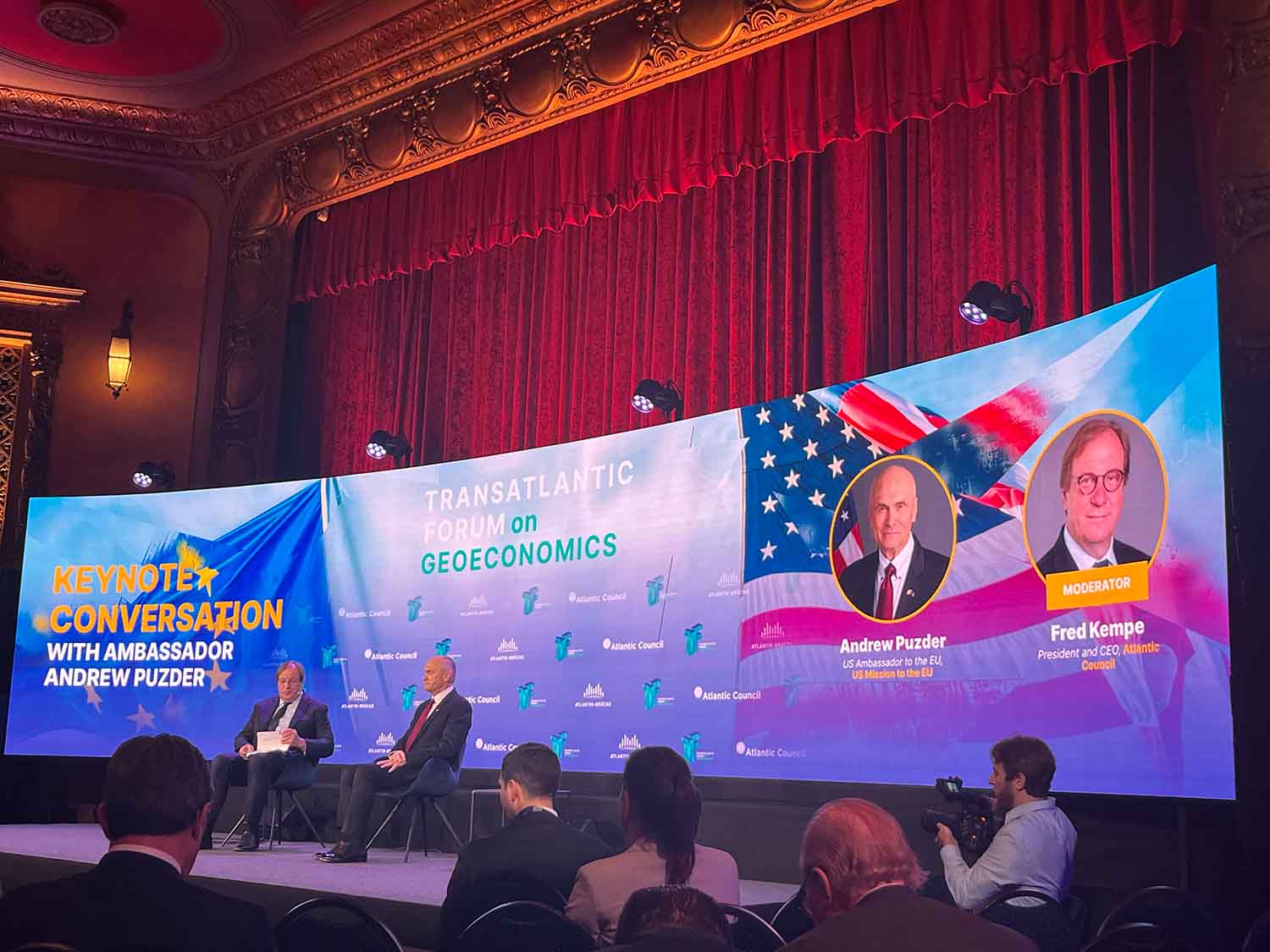
A New Chapter for the Transatlantic Economy

The chandeliers glittered in the ballroom of the Atlantic Council as diplomats, ministers, and executives filtered in for the opening session of the Geoeconomics Forum. The event promised high-level conversation on trade, technology, and global markets, but there was little illusion about the stakes: the EU–US relationship is being reshaped in real time by war, energy shocks, and the race for technological supremacy.

Read more
Title
.