Wuhu as a Testing Ground
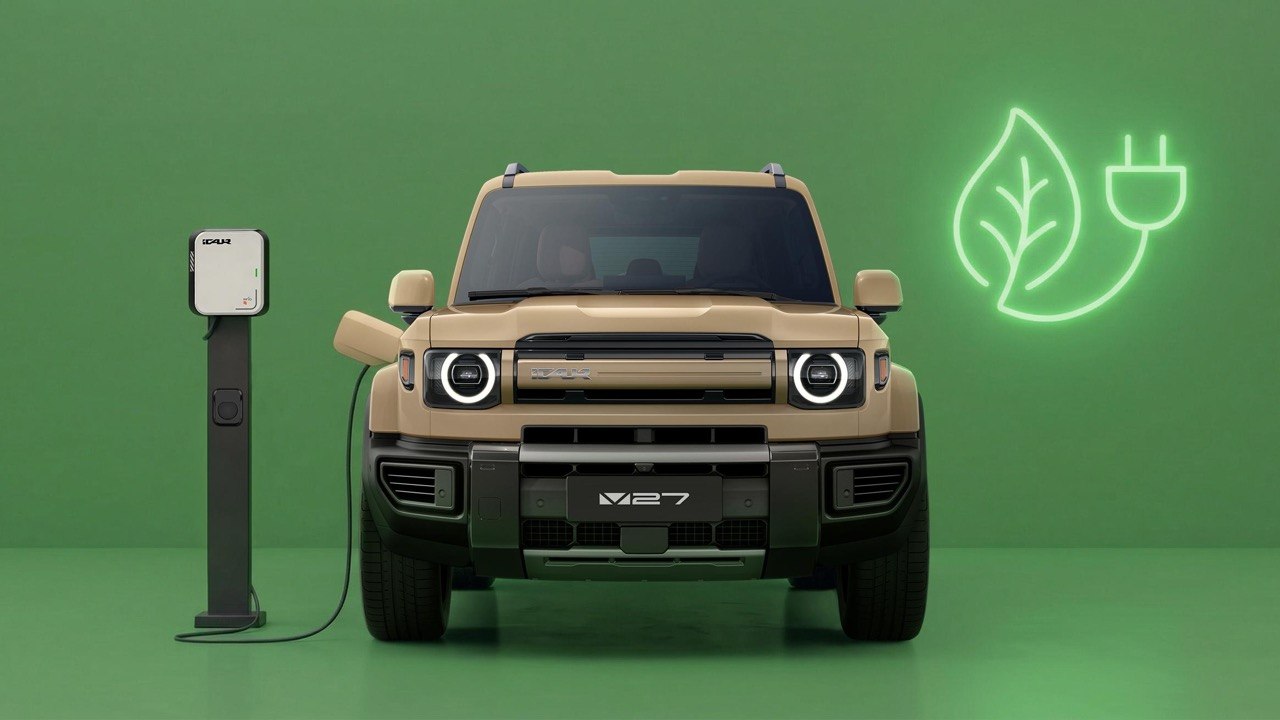
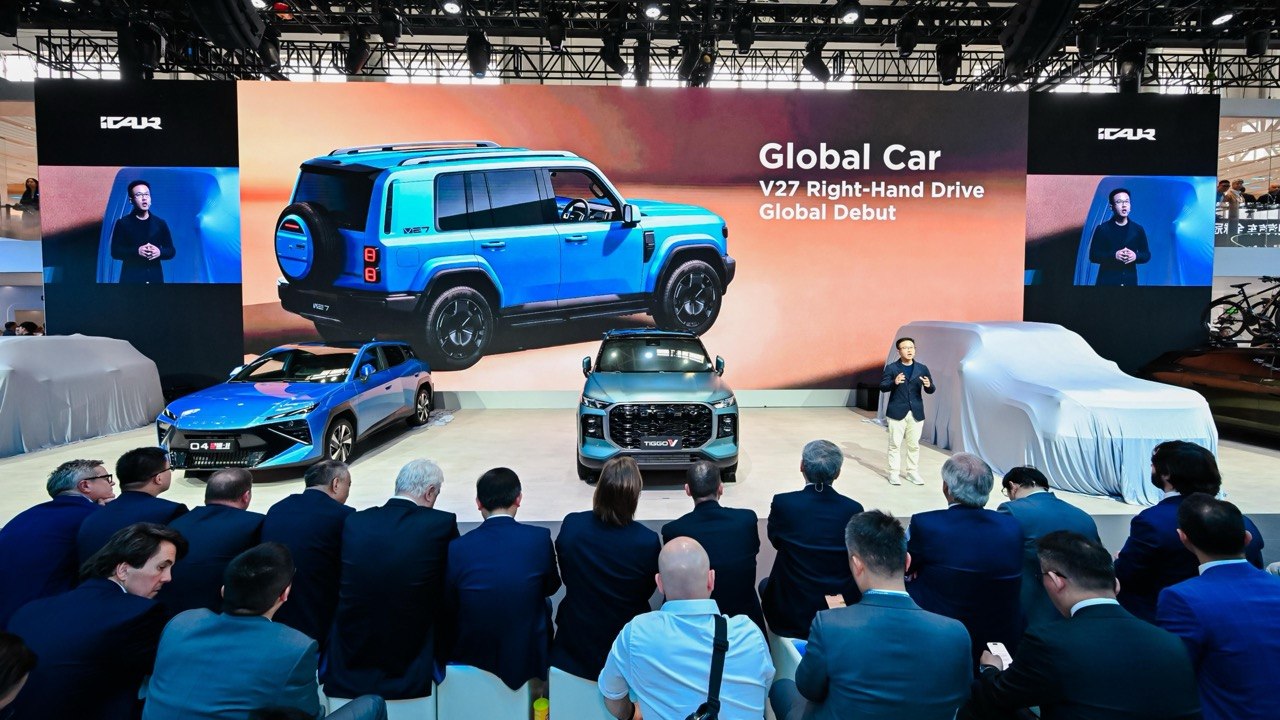
The iCAUR 2026 Business Summit is about far more than the unveiling of a new model: it speaks to the global ambitions of China’s auto industry, the growing weight of REEV strategy, and a new language of brand-building.
J.D. Power recognitions are not editorial prizes, but customer-experience benchmarks. That is precisely why, for Chinese new energy vehicle brands, they matter not only as domestic prestige markers, but increasingly as tools of international credibility, brand-building, and market entry.
Solid-state batteries are still more industrial challenge than finished breakthrough. But Chery’s latest push shows how Chinese carmakers are trying to turn battery chemistry, manufacturing, safety, and green production into a single competitive system.
When a new automotive brand enters Europe today, it arrives in a market that is curious, cautious, and highly competitive all at once. European consumers have heard many promises over the past decade: electrification, smart mobility, digital ecosystems, sustainability, premium reinvention. Yet buyers are also looking for something simpler and more concrete. They want to know what a brand stands for, what kind of company stands behind it, and whether the vehicle in question actually makes sense for everyday life.
That is what makes iCAUR’s European debut genuinely interesting.