
Hungary’s Quiet Agritech Challenger Goes Global

When multinationals dominate precision agriculture with deep capital reserves and aggressive R&D cycles, a small Hungarian firm would seem an unlikely contender on the world stage. Yet Machinery Guide, a Szeged-based developer of agricultural guidance software and mobile-based control systems, has quietly expanded into more than 20 markets across Europe, South America and Australia. Its story shows how Central European engineering can gain global relevance even in one of the most competitive technology sectors.

Read more

When an Elected Leader Starts Acting Like Royalty

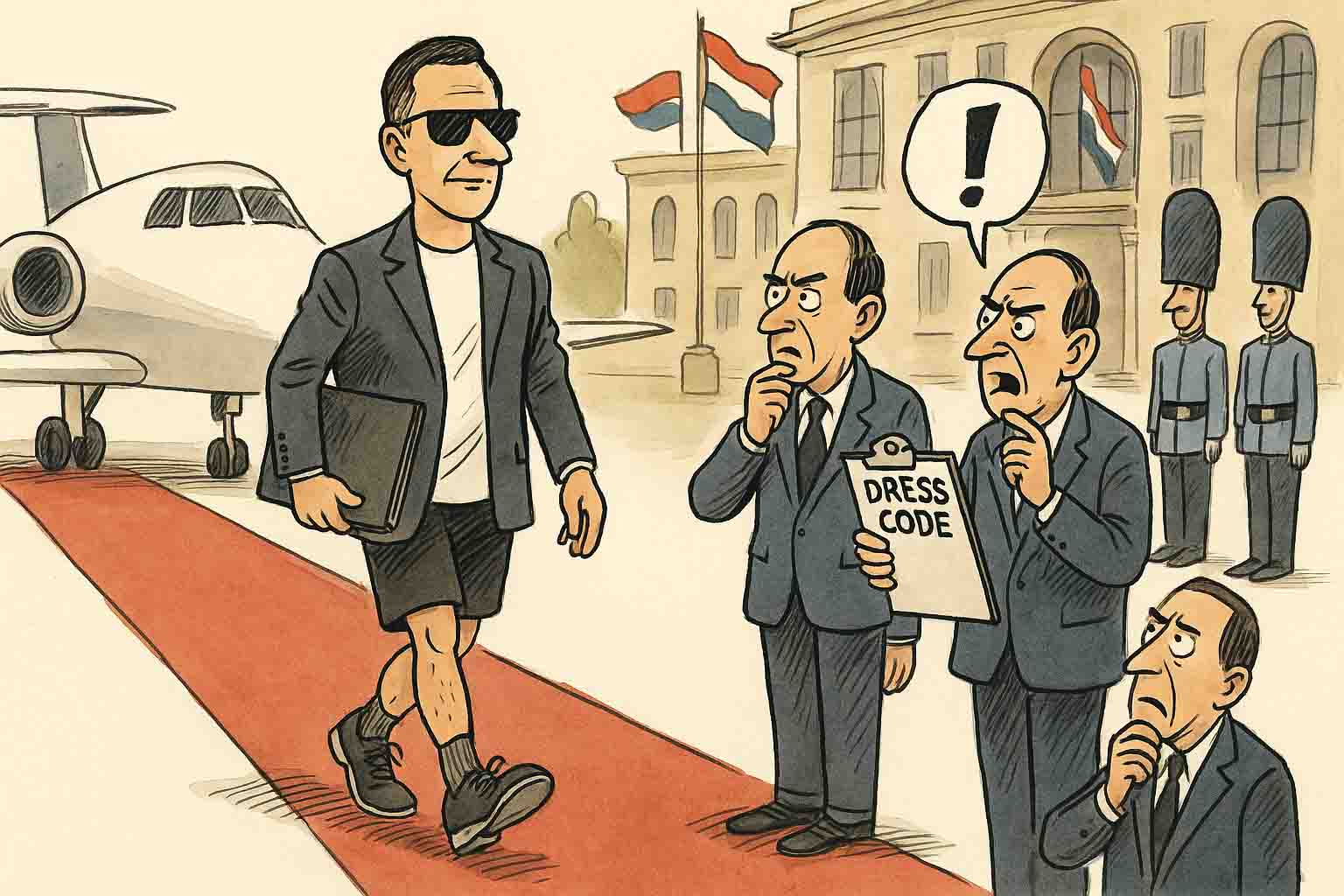
In most foreign ministries, diplomatic travel is a logistical exercise. In Hungary’s, it has become a lifestyle genre. For years, insiders on Budapest’s Bem rakpart have whispered about the increasingly operatic travel requirements of the country’s foreign minister, Péter Szijjártó. Now, fresh accounts confirm that what masquerades as protocol is in fact the curated comfort regime of a man who behaves less like a public servant and more like a monarch in tracksuit diplomacy.

Read more

When Diplomacy Becomes a Distortion: Rethinking Hungary’s Foreign Trade Machinerys

For more than a decade, Hungary has operated a parallel system within its foreign policy apparatus – a sprawling network of so-called foreign trade attachés (KGA), conceived as one of Minister Péter Szijjártó’s signature projects. Today, with 134 attachés stationed across 86 countries, the operation costs taxpayers an estimated 20 billion forints annually, a figure that invites the obvious question: what, exactly, does the Hungarian economy receive in return?
The honest answer is: very little.

Read more

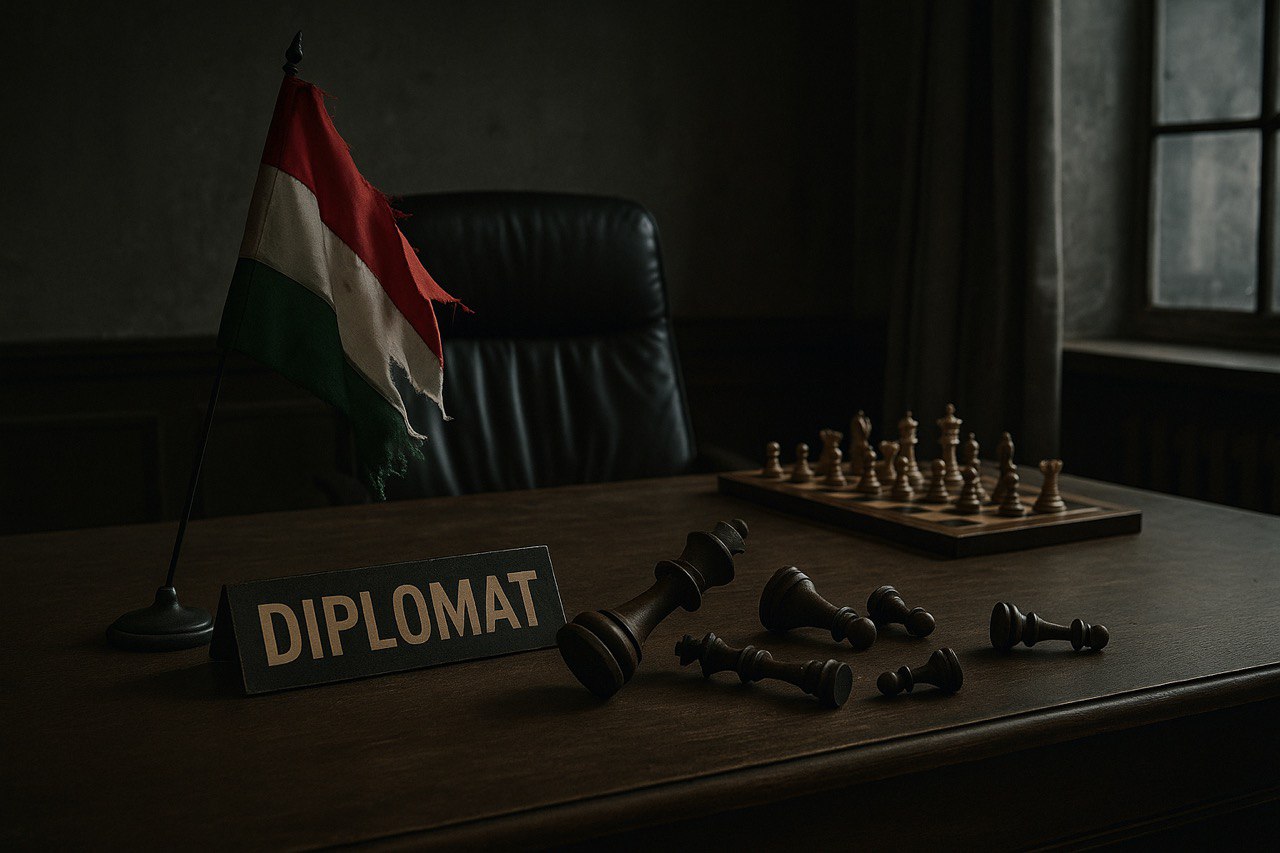
The Institutional Background of Hungary’s Diplomatic Personnel Crisis

The foreign service is one of the most important state institutions of any country. Embassies and consulates do far more than perform protocol duties: they represent economic interests, facilitate strategic information exchange, carry out cultural diplomacy, provide security assessments, and manage crisis situations. Foreign policy can only function with a stable, well-trained, and professional staff. This is why it becomes particularly striking when a country’s diplomatic system gradually—almost imperceptibly—loses its professional weight and becomes increasingly politicised.

Read more

Europe’s Chat Control Dilemma: Between Child Protection and Digital Privacy

As the European Union grapples with one of the most divisive digital policy debates in recent years, the so-called “Chat Control” proposal has come to symbolise a wider struggle between public safety and the right to privacy. Officially known as the CSAM scanning regulation, the measure seeks to detect and prevent the spread of child sexual abuse material online by requiring messaging platforms to automatically scan private communications.

Read more

Out of Africa: Hungary’s Faltering Continental Strategy

When the Trump administration signed its Most-Favoured Nation (MFN) executive order in 2025, few doubted the measure would shake global pharmaceutical markets. By tying U.S. drug prices to the lowest government-negotiated rates in Europe and Canada, the White House pitched the plan as relief for American patients at the pharmacy counter.

Read more

Most-Favoured Nation Drug Pricing Risks Transatlantic Rift

When the Trump administration signed its Most-Favoured Nation (MFN) executive order in 2025, few doubted the measure would shake global pharmaceutical markets. By tying U.S. drug prices to the lowest government-negotiated rates in Europe and Canada, the White House pitched the plan as relief for American patients at the pharmacy counter.

Read more
Title
.