Wuhu as a Testing Ground
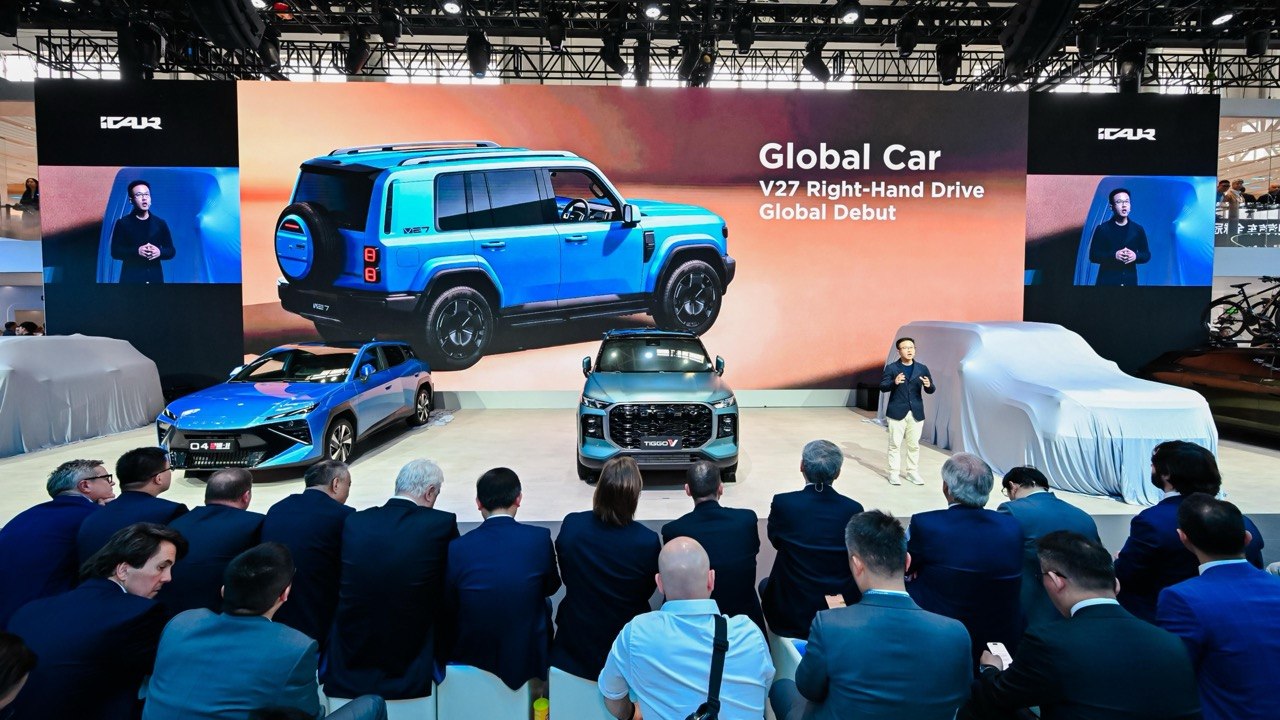
The iCAUR 2026 Business Summit is about far more than the unveiling of a new model: it speaks to the global ambitions of China’s auto industry, the growing weight of REEV strategy, and a new language of brand-building.
J.D. Power recognitions are not editorial prizes, but customer-experience benchmarks. That is precisely why, for Chinese new energy vehicle brands, they matter not only as domestic prestige markers, but increasingly as tools of international credibility, brand-building, and market entry.
Solid-state batteries are still more industrial challenge than finished breakthrough. But Chery’s latest push shows how Chinese carmakers are trying to turn battery chemistry, manufacturing, safety, and green production into a single competitive system.
When a new automotive brand enters Europe today, it arrives in a market that is curious, cautious, and highly competitive all at once. European consumers have heard many promises over the past decade: electrification, smart mobility, digital ecosystems, sustainability, premium reinvention. Yet buyers are also looking for something simpler and more concrete. They want to know what a brand stands for, what kind of company stands behind it, and whether the vehicle in question actually makes sense for everyday life.
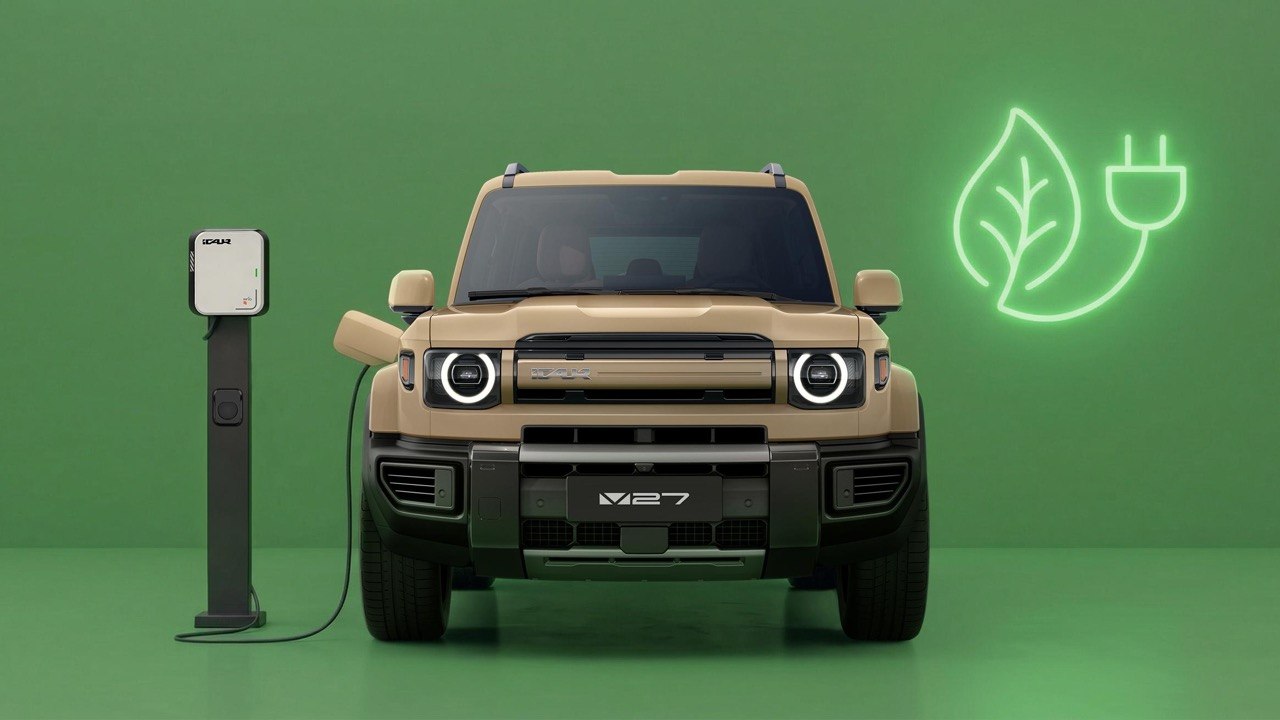
That is what makes iCAUR’s European debut genuinely interesting.
For more than three decades, Moldova has stood somewhere between geography and geopolitics, between a Soviet inheritance and a European ambition. Today, as Chişinău edges closer to the European Union, the country’s journey offers a revealing test case for whether the EU is truly prepared politically, institutionally, and economically to absorb new members in an era defined by war, shifting power balances, and internal fragmentation.
Few countries illustrate Europe’s fractured geopolitical landscape as vividly as Moldova. A nation of under three million people, it has carried the heavy weight of contested histories, overlapping identities, and unresolved conflicts for more than a century. Today, Moldova again finds itself at a moment of profound transformation—caught between war on its border, competing political narratives at home, and the gravitational pull of the European Union.
In the Ministry for Foreign Affairs and Trade (Külgazdasági és Külügyminisztérium) in Hungary there operates a State Secretariat for the Aid of Persecuted Christians and for the Hungary Helps Program.¹ According to official descriptions, no other country in the world has a state or diplomatic body with this exact name or mandate.² The budget line for this Secretariat appears in the Ministry’s chapter of the state budget under the title “Hungary Helps Program” (HHP) and at the sub-heading of that name.³ For the current year, the appropriation is approximately HUF 5.6 billion.⁴
The chandeliers glittered in the ballroom of the Atlantic Council as diplomats, ministers, and executives filtered in for the opening session of the Geoeconomics Forum. The event promised high-level conversation on trade, technology, and global markets, but there was little illusion about the stakes: the EU–US relationship is being reshaped in real time by war, energy shocks, and the race for technological supremacy.
The European tobacco industry stands at a crossroads. On the one hand, it continues to provide governments with a stable and predictable revenue stream—second only to income tax in Germany, and accounting for up to 5 per cent of annual budgets in countries such as Romania and Poland. On the other, the industry faces mounting political exclusion, regulatory mistrust, and a growing push for prohibitionist approaches that risk undermining both innovation and consumer choice.