Over the clouds
If Viktor Orbán were to become UN Secretary-General, would it be a diplomatic triumph for Hungary—or the ultimate reward for years of serving other powers’ interests at the expense of his own country?

If Viktor Orbán were to become UN Secretary-General, would it be a diplomatic triumph for Hungary—or the ultimate reward for years of serving other powers’ interests at the expense of his own country?
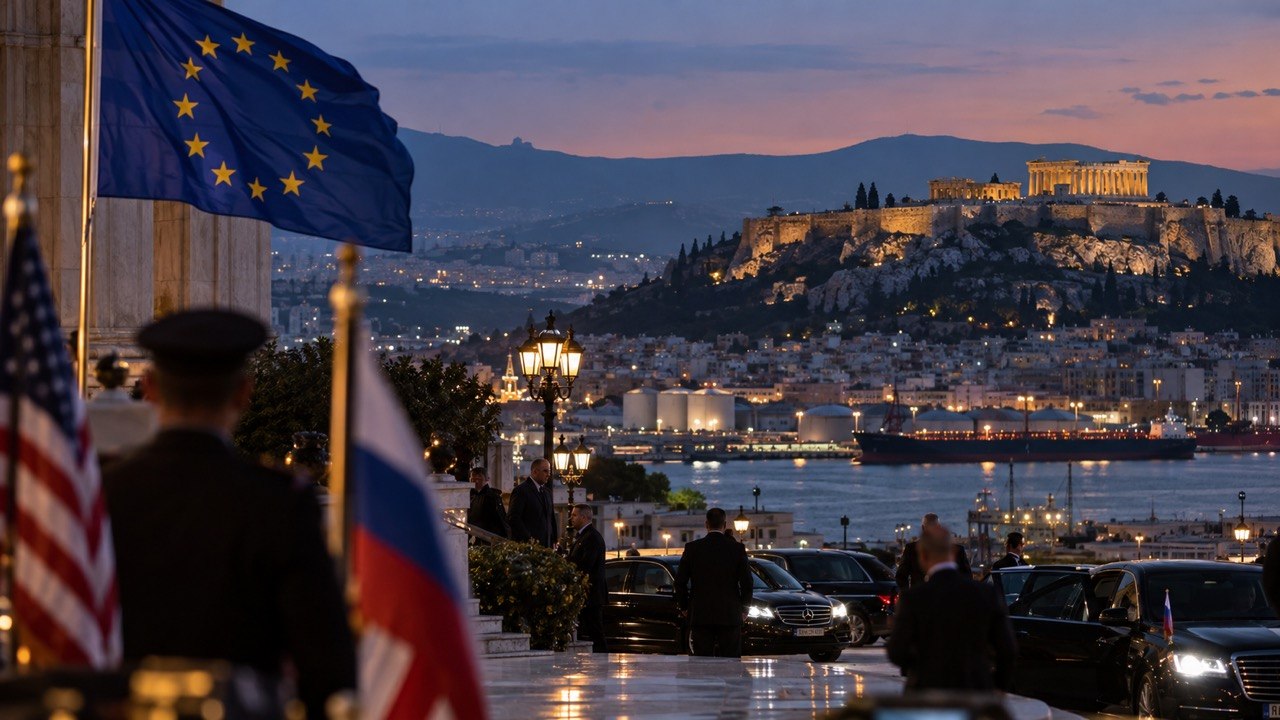
Two days after Marco Rubio invoked European values against the backdrop of the Acropolis, a U.S.–Russian diesel agreement presented Europe with a very different reality. Beyond the immediate consequences for Ukraine, the episode raises a broader question about Europe’s economic vulnerability, strategic autonomy and its ability to deal with Russia from a position of strength.
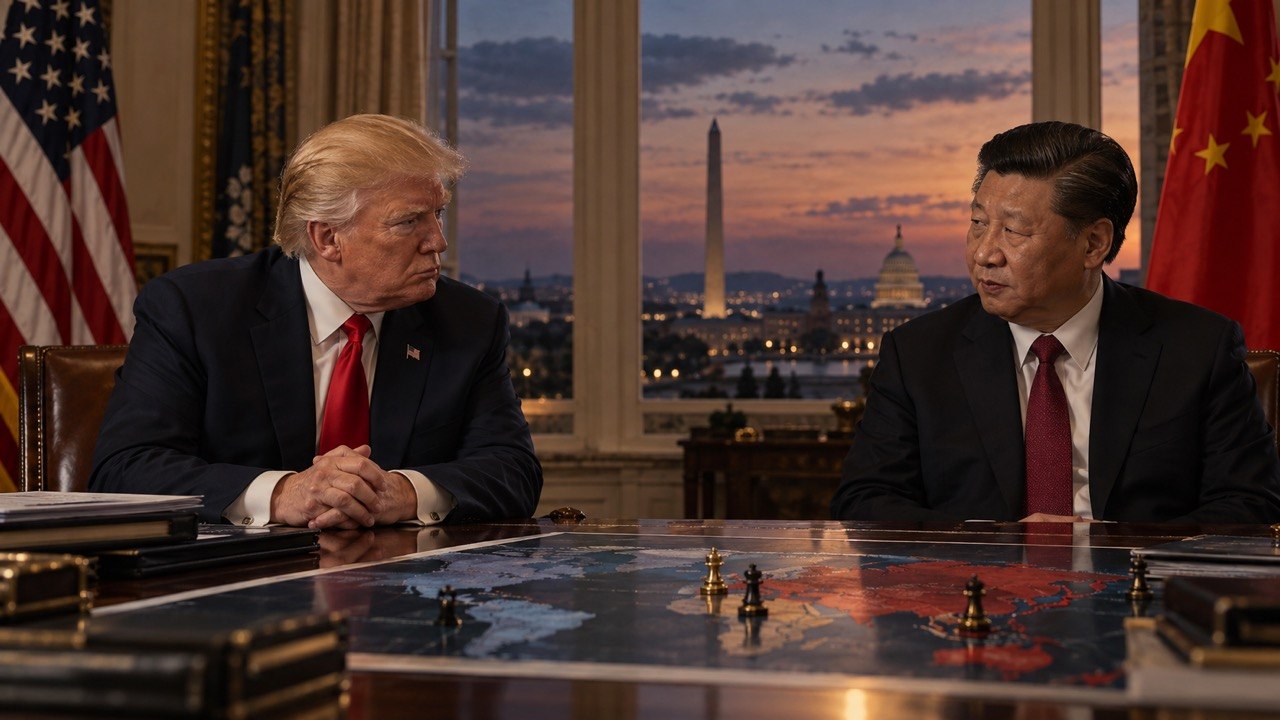
Donald Trump, the president of the United States, who, from certain angle seems to work to dismantle the EU—and who, on the two most critical issues of his presidency to date, China and the Middle East, has done the exact opposite of what he promised, and what was expected, thereby setting the stage for profound political changes in the U.S.—met with Xi Jinping. In the United States. On home turf.
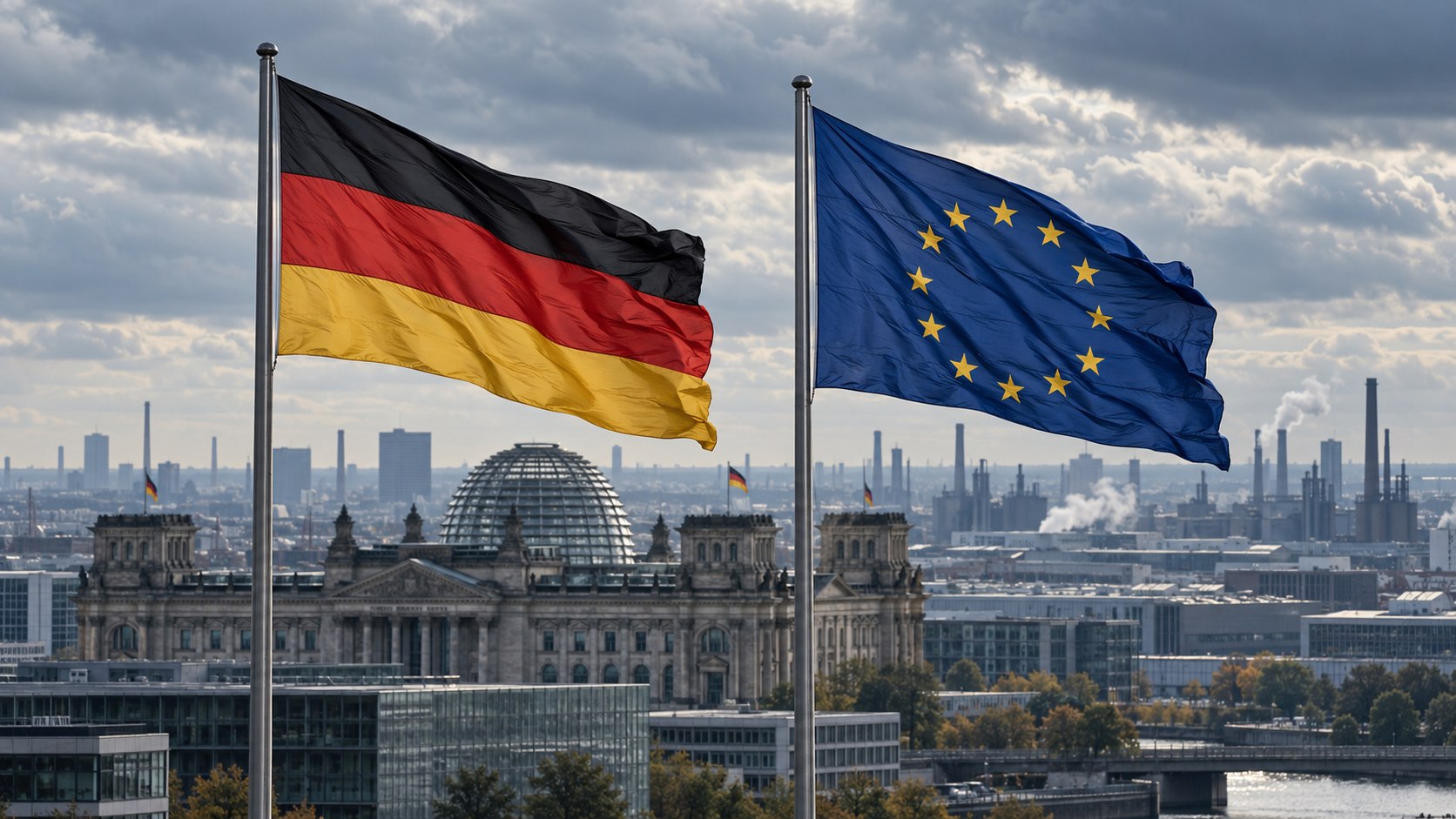
The social and economic problems left unanswered by Germany’s political elite have become a matter concerning the future of the entire European Union. Yet the AfD’s rise may also expose conflicts of interest that the party’s Central European supporters scarcely seem to anticipate.

Central European Affairs Magazine