Young People Did Not Decide Yesterday: How a Generation Came of Age in Crisis

On April 12, Hungary voted, and since then young people, many of whom were voting for the first time, have been blamed. Based on earlier turnout rates, young people had not seemed interested in politics, yet this time a significant wave of mobilization took place. I found two possible reasons that may explain this shift, and in this article I examine the social, economic, and other conditions that produced this remarkable level of participation, as well as what shaped young people’s new political consciousness.

Read more

Roles and Power: Hungary’s Year-End Political Moment

In just a few weeks, perhaps one of the most exhausting, symbolically understood Zimbardo experiments in the history of Hungarian society will come to an end. Observing from abroad, from the United Kingdom, it increasingly feels as if the political processes of recent years have reshaped not only institutions but also roles. The question today is no longer merely who will govern, but also who will remain “prisoners” and who will become the guards of the next cycle in a system where political identity is slowly overriding the personal one.

Read more

Orbán’s New Opponent: Mr. V-Power

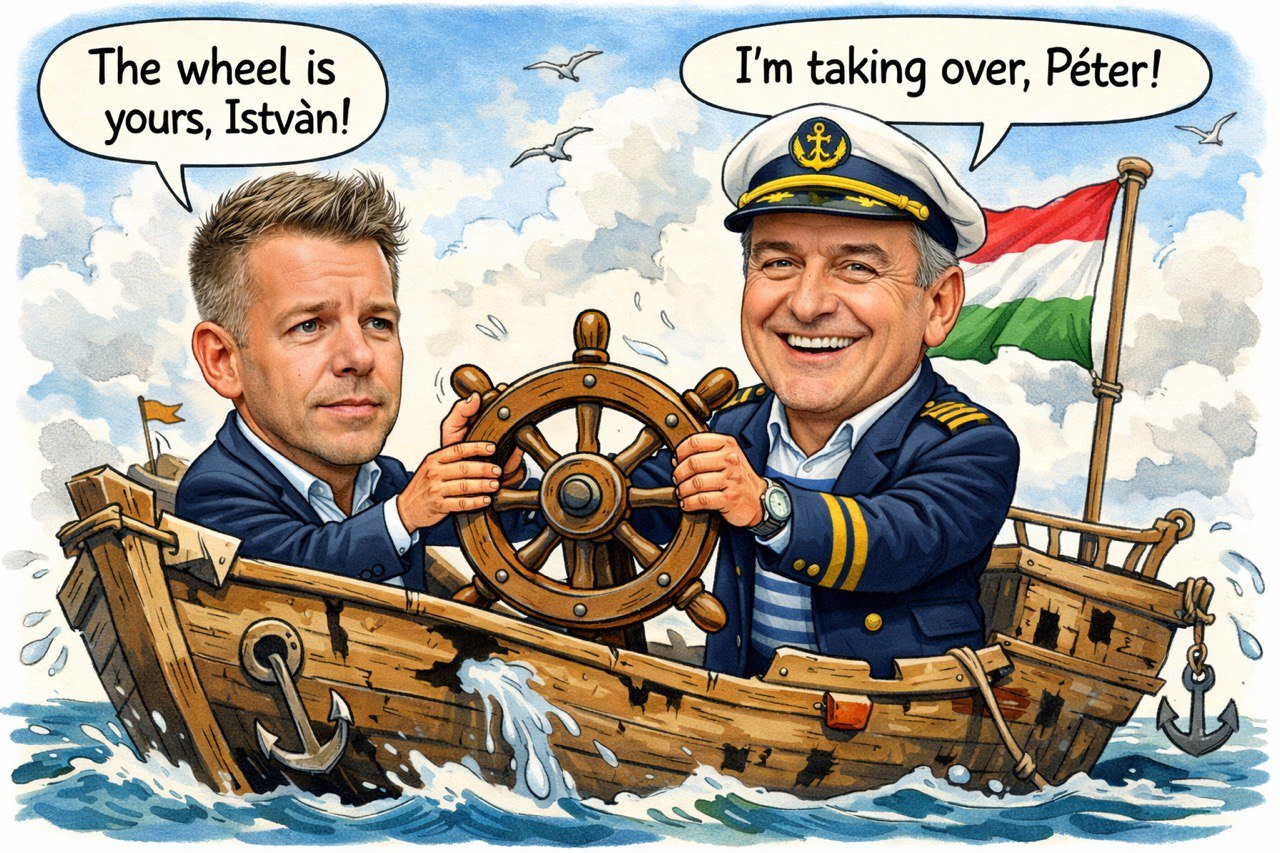
István Kapitány, one of Shell’s global executive vice presidents, has stormed into Hungarian politics with enormous energy, right at the peak of the campaign season. He has put a 37-year multinational career and a carefully built international reputation on the table for what he sees as a higher calling: securing victory for the Tisza Party. And it seems even the party’s leader has begun to realise that a long-running one-man show may no longer be enough.

Read more
Title
.