Over the clouds
If Viktor Orbán were to become UN Secretary-General, would it be a diplomatic triumph for Hungary—or the ultimate reward for years of serving other powers’ interests at the expense of his own country?

If Viktor Orbán were to become UN Secretary-General, would it be a diplomatic triumph for Hungary—or the ultimate reward for years of serving other powers’ interests at the expense of his own country?
Europe is being urged to “reclaim its sovereignty” by weakening the institutions that allow it to act collectively. As foreign governments, political mavericks and actors with lunatic agendas exploit its divisions, the continent remains frighteningly dependent on outside suppliers for its energy and digital infrastructure. This promised return to sovereignty could leave Europeans with even less control over their own future.
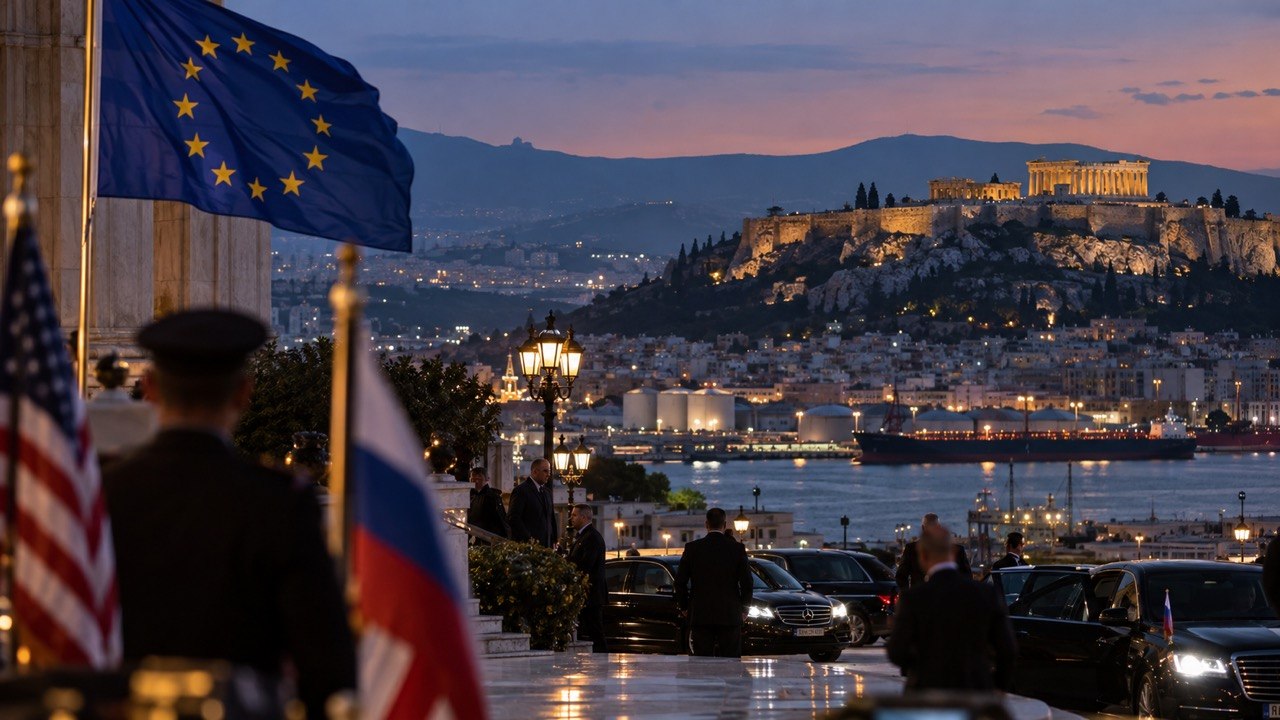
Two days after Marco Rubio invoked European values against the backdrop of the Acropolis, a U.S.–Russian diesel agreement presented Europe with a very different reality. Beyond the immediate consequences for Ukraine, the episode raises a broader question about Europe’s economic vulnerability, strategic autonomy and its ability to deal with Russia from a position of strength.

Meeting someone online can hardly be considered unusual these days. Almost every age group has some presence in the digital world, and while a love story once needed a workplace, a circle of friends, a night out, a chance encounter or at least a shared geographical location, today it can sometimes begin with a single message.

The Ebola outbreak in the Democratic Republic of Congo does not prove that Europe should fear Africa. It proves something far more important: weakening global health cooperation makes everyone more vulnerable.

I thought that after earlier debates around naturalisation, there was little left that could surprise me about Hungarian citizenship policy. I was wrong.

For more than three decades, Moldova has stood somewhere between geography and geopolitics, between a Soviet inheritance and a European ambition. Today, as Chişinău edges closer to the European Union, the country’s journey offers a revealing test case for whether the EU is truly prepared politically, institutionally, and economically to absorb new members in an era defined by war, shifting power balances, and internal fragmentation.

Few countries illustrate Europe’s fractured geopolitical landscape as vividly as Moldova. A nation of under three million people, it has carried the heavy weight of contested histories, overlapping identities, and unresolved conflicts for more than a century. Today, Moldova again finds itself at a moment of profound transformation—caught between war on its border, competing political narratives at home, and the gravitational pull of the European Union.
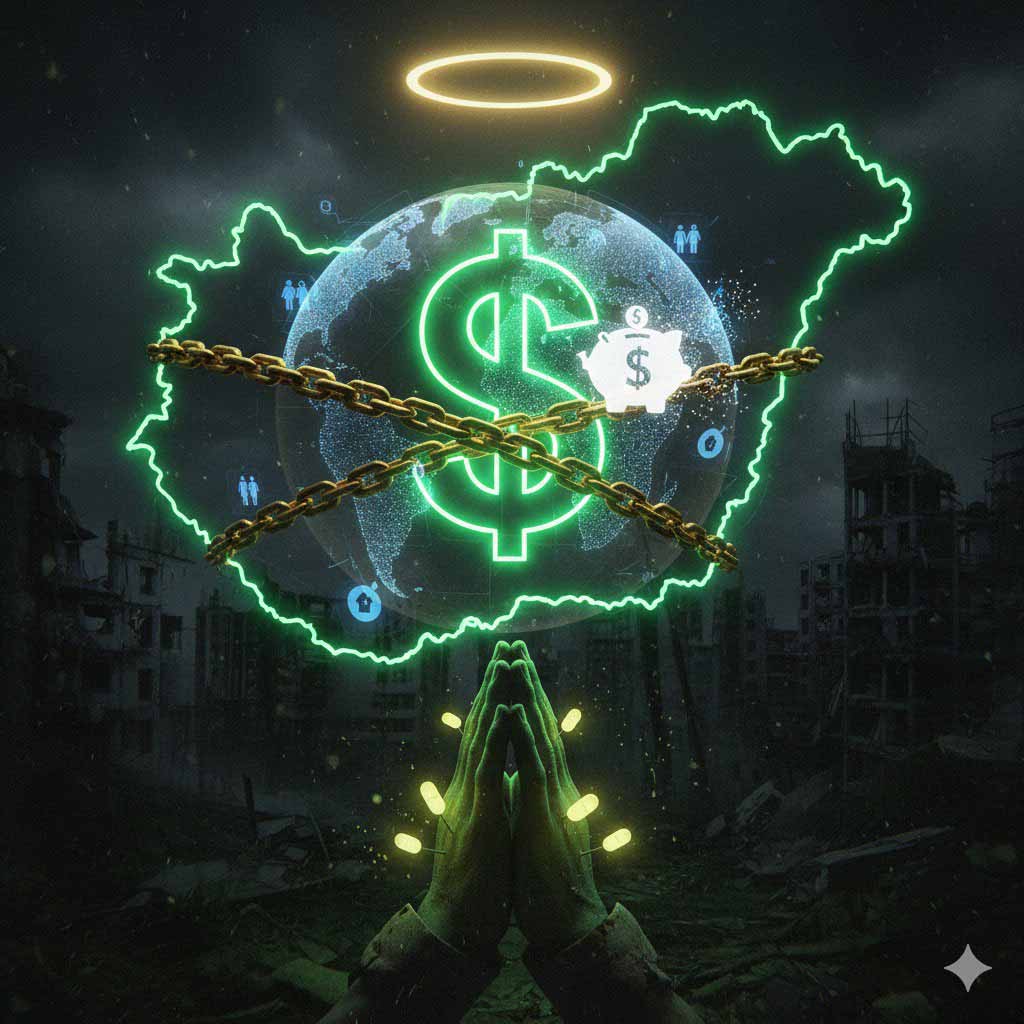
In the Ministry for Foreign Affairs and Trade (Külgazdasági és Külügyminisztérium) in Hungary there operates a State Secretariat for the Aid of Persecuted Christians and for the Hungary Helps Program.¹ According to official descriptions, no other country in the world has a state or diplomatic body with this exact name or mandate.² The budget line for this Secretariat appears in the Ministry’s chapter of the state budget under the title “Hungary Helps Program” (HHP) and at the sub-heading of that name.³ For the current year, the appropriation is approximately HUF 5.6 billion.⁴
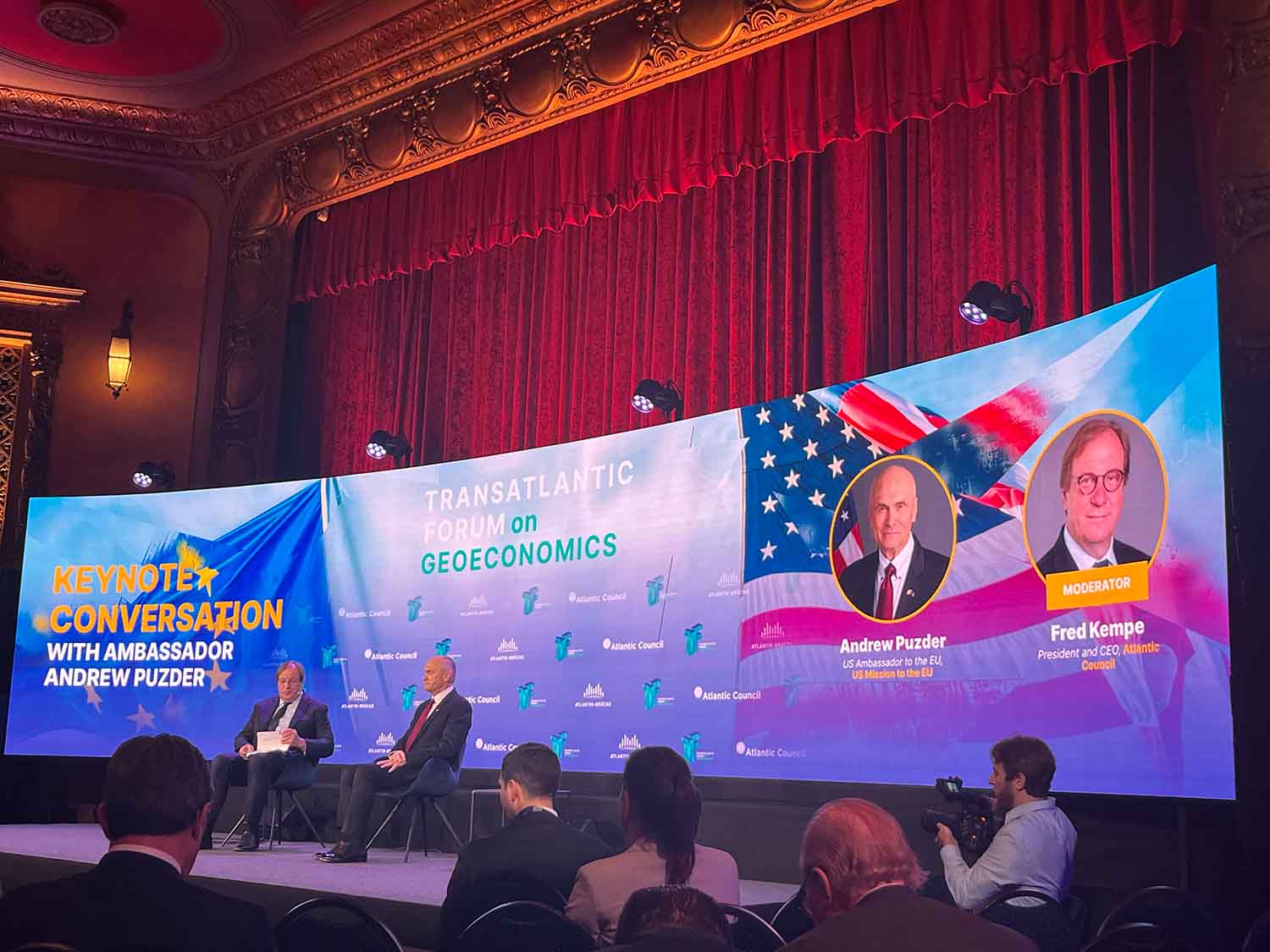
The chandeliers glittered in the ballroom of the Atlantic Council as diplomats, ministers, and executives filtered in for the opening session of the Geoeconomics Forum. The event promised high-level conversation on trade, technology, and global markets, but there was little illusion about the stakes: the EU–US relationship is being reshaped in real time by war, energy shocks, and the race for technological supremacy.

Central European Affairs Magazine