Roles and Power: Hungary’s Year-End Political Moment

In just a few weeks, perhaps one of the most exhausting, symbolically understood Zimbardo experiments in the history of Hungarian society will come to an end. Observing from abroad, from the United Kingdom, it increasingly feels as if the political processes of recent years have reshaped not only institutions but also roles. The question today is no longer merely who will govern, but also who will remain “prisoners” and who will become the guards of the next cycle in a system where political identity is slowly overriding the personal one.

Read more

Orbán’s New Opponent: Mr. V-Power

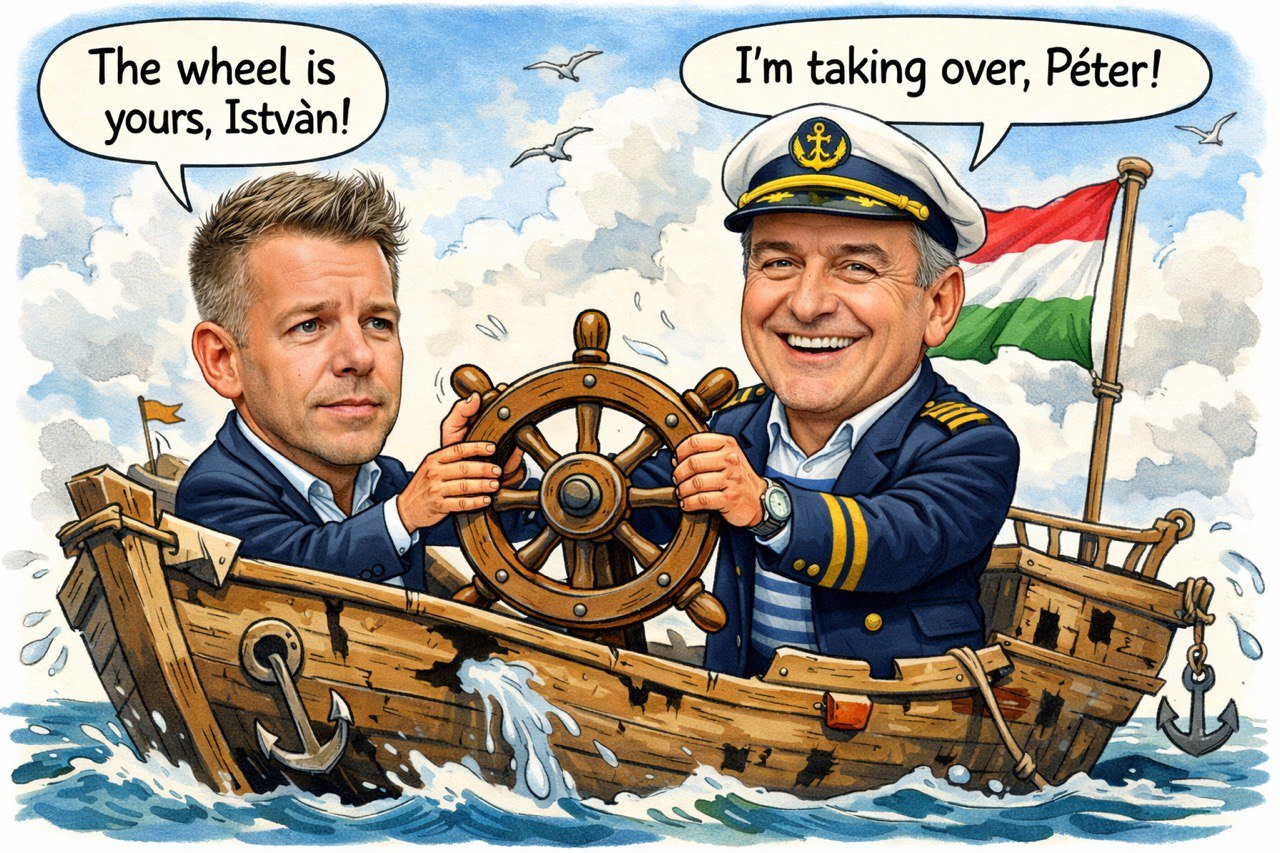
István Kapitány, one of Shell’s global executive vice presidents, has stormed into Hungarian politics with enormous energy, right at the peak of the campaign season. He has put a 37-year multinational career and a carefully built international reputation on the table for what he sees as a higher calling: securing victory for the Tisza Party. And it seems even the party’s leader has begun to realise that a long-running one-man show may no longer be enough.

Read more

Tobacco, Regulation, and the Future of Choice in Europe

The European tobacco industry stands at a crossroads. On the one hand, it continues to provide governments with a stable and predictable revenue stream—second only to income tax in Germany, and accounting for up to 5 per cent of annual budgets in countries such as Romania and Poland. On the other, the industry faces mounting political exclusion, regulatory mistrust, and a growing push for prohibitionist approaches that risk undermining both innovation and consumer choice.

Read more

Liberalism’s Crisis of Confidence in Europe

From Brussels to Berlin, Europe’s liberal parties are struggling to define their role in an increasingly fragmented political landscape. Once the kingmakers of the European Parliament, they now find themselves relegated to the fifth-largest group, unable to balance left and right as they once did.

Read more

The Election of the Year

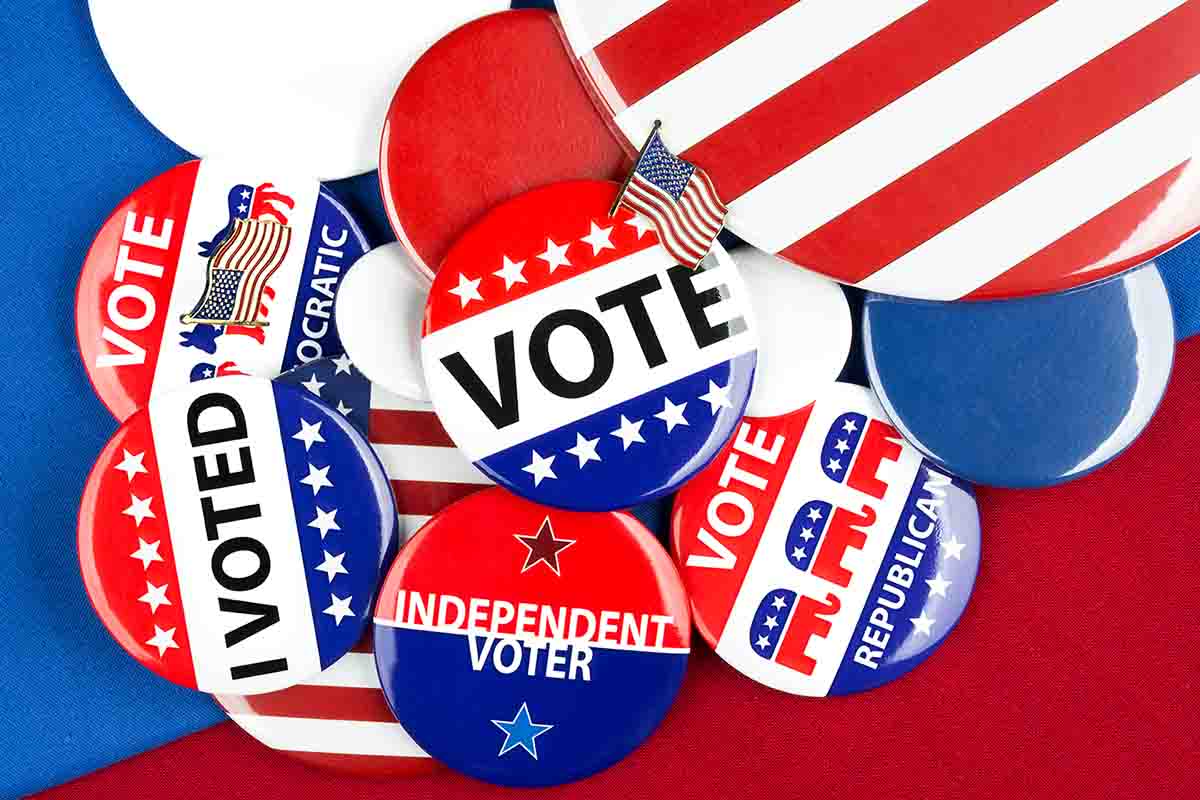
This week, I had the opportunity to get a closer look at the excitement surrounding the American presidential election. As much as possible, I have been following events from this side of the Atlantic from a respectful distance. So far, I’ve mostly considered the prospects for cooperation with potential winners from the EU’s perspective, especially regarding the candidates’ stances on the war in Ukraine and any anticipated changes in their positions.

Read more

Moldovan Referendum: Not Great, Not Terrible?

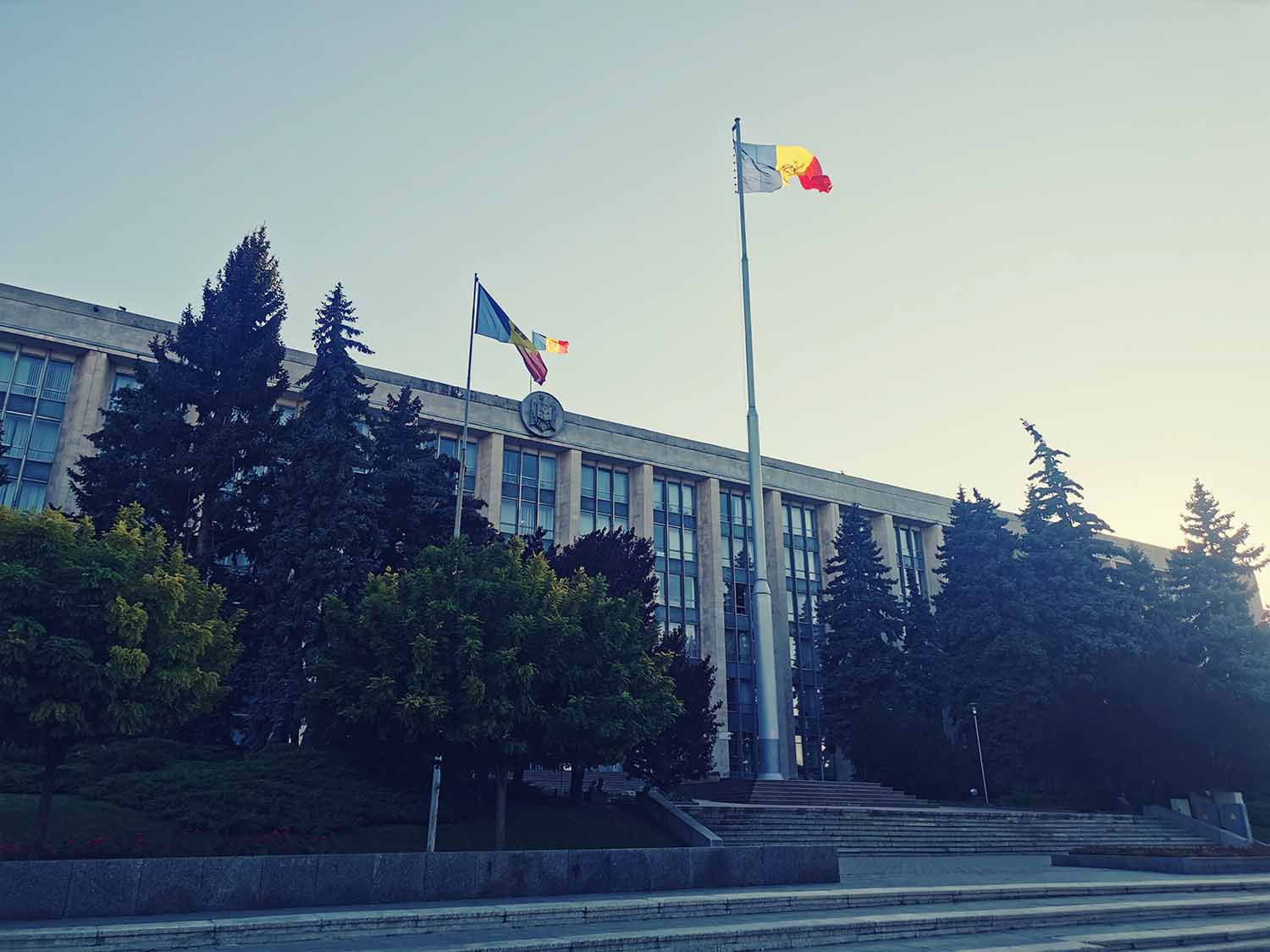
The first time I went to Moldova it was by accident. Spending my summer vacation with some friends in Romania, we planned to visit the Eastern part of the country – Moldavia. While English, and my native Hungarian, make a clear distinction between Moldova and Moldavia, the Romanian language does not. Both are Moldova – the region, and the country, too. That’s how I ended up in Moldova instead of Moldavia after a two-hour-long wait at the Sculeni border crossing, the main entry point to the Republic of Moldova from Romania.

Read more

The Role of Cities and Regions in the EU

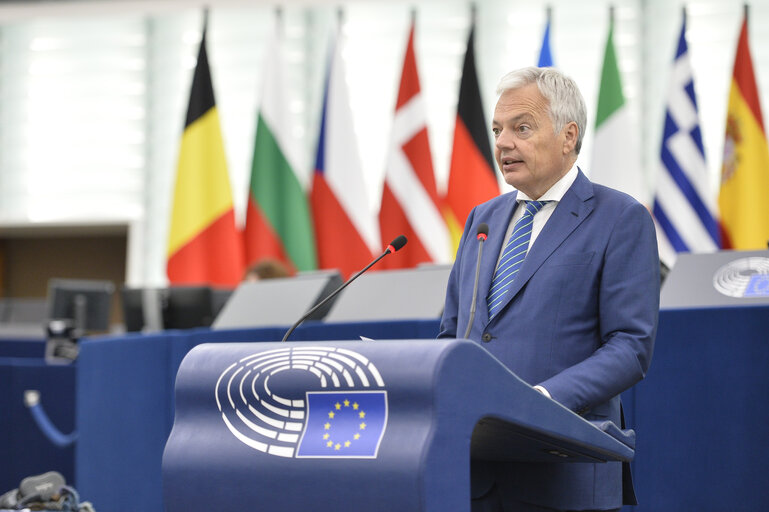
Yesterday, the European Parliament discussed the role of cities and regions and the potential for regional development within the EU. The debate attracted relatively little interest, as many representatives were either absent or not engaged in the topic. Yet, this was one of the most critical discussions to shape the next cycle fundamentally. Primarily, Spanish representatives were active, focusing on three main elements.

Read more

Expats During Municipal Elections

Living as an expat in Brussels is one of the most exciting ways to experience life. Part of this excitement comes from the fact that 35% of Brussels’ population, roughly 400,000 people, are not Belgian citizens. Of these, 220,000 are considered expats—highly qualified, well-paid individuals working for international organizations. In this highly livable city, characterized by vast green spaces and a vibrant cultural scene, around 180 nationalities speaking over 100 languages mix.

Read more

Missed Opportunity

The much-anticipated debate in the European Parliament took place yesterday. It offered an opportunity for everyone to voice their own narrative, to offer ideas, a vision, and perhaps a solution for Europe. Unfortunately, no one took this opportunity. 

Read more
Title
.