
Life in My Chosen Home
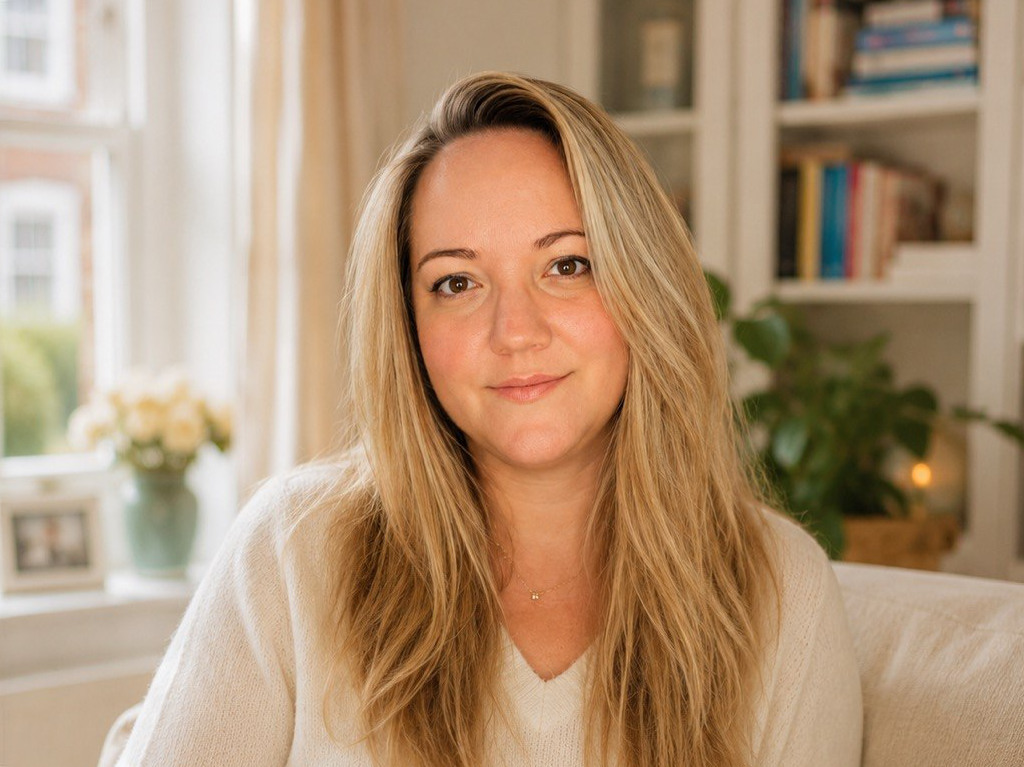
There are decisions in life that, even at the moment we make them, we know will not simply open a new chapter, but will cast everything that came before in a different light. For me, moving to the United Kingdom with my family was one of those decisions.
Author: Szilvia Filó
We did not leave on a sudden impulse. The decision was preceded by a long process of reflection, planning, hope, and no small amount of fear. We were driven by the promise of better opportunities, a more secure future, and new experiences. Yet Hungary never ceased to be home. It remained my homeland, the place of my memories, my roots, and part of my family. Over the past few years, however, England has become the place where we live our everyday lives, where we work, study, make plans, and where, step by step, we have built a new life.
The Price of Moving
Moving abroad is often spoken about primarily as an economic or professional decision. Work, livelihood, and a more predictable future are indeed important considerations. But anyone who has gone through such a change knows that it is about much more than that. Moving to another country is always an emotional decision as well, even when it is based on rational arguments.
Our new life did not begin with the whole family together. My elder daughter stayed in Hungary with her partner because of her university studies, and my retired parents remained there as well. This was one of the most difficult consequences of our move: the physical distance within the family. Although modern technology helps a great deal, and today we can see each other almost anytime through video calls, nothing can truly replace personal presence. It cannot replace Sunday lunches together, festive preparations, hugs, spontaneous visits, or the small everyday moments from which family life is built.
This absence is still with us today. Not as a constant pain, but rather as a quiet feeling in the background: the awareness that while we are building a new home, we have also left something very important behind.
Learning to Belong in a New World
Starting a new life in a new country is both exciting and demanding. In the beginning, we had to learn almost everything again. We had to become familiar not only with linguistic and cultural differences, but also with a completely different social, administrative, and working environment. The rules, customs, daily routines, and even ordinary situations were different from what we had known before.
The first months were marked above all by uncertainty. We had to rebuild our everyday life: how to manage official matters, how to find our place, how to form relationships, and how to plan for the future in a country that was both unfamiliar and full of promise.
During this period, the support of my family meant a great deal. We experienced the difficult moments together, and we celebrated the smaller successes together as well. Every completed task, every new connection, every successful working day or meaningful conversation brought us a little closer to seeing England not merely as a place of residence, but as a real home.
The First Christmas
We probably felt the distance most strongly during our first Christmas in England. We tried to create a festive atmosphere: we decorated, cooked, prepared gifts, and attempted to carry our old family traditions into our new surroundings. Still, it was difficult to accept that my elder daughter and her partner, as well as my parents, could not be with us.
We opened presents together over a video call, talked, and laughed, but through the screen it became even clearer what was truly missing. The hug, the shared presence, the natural togetherness that no technology can replace.
That Christmas was both sad and strengthening. The distance hurt, but it also reminded us how strong our family bonds are. It showed us that relationships do not break simply because kilometres separate us. We just have to find new ways to preserve them.
Everyday Life in My Chosen Home
Today, life in England has become a natural part of our everyday routine. I work, study, make plans, and try to make the most of the opportunities this country offers. I deeply appreciate the predictability, organisation, and sense of security that I experience in many areas of daily life.
Integration, however, does not mean letting go of one’s former life. My Hungarian roots remain deeply important to me. I keep in regular contact with my family members living in Hungary, and whenever possible, we try to meet in person. These encounters always remind me that home is not only a geographical concept. It can be a country, a city, or a house, but it can just as much be a voice, a scent, a family story, or a shared memory.
When we moved, we did not only have to part, in some ways, from people. We also had to make a very difficult decision. Because of his age and health condition, our elderly dog could not move to England with us. In the end, he went to live with the widowed grandmother, which proved to be the best possible solution for both of them. They now spend their retirement years together, and it is heart-warming to see how much they mean to one another. The decision was painful, but also reassuring, because we know he remained in a loving environment.
In the second year after our move, a four-legged family member joined us once again: a beagle puppy. He is extremely lovable, but he certainly has no shortage of energy. Taking care of him, walking him regularly, and going on trips together require a lot of time and attention, but he also brings immense joy into our everyday lives. During our long walks, we discover new places in the United Kingdom month by month. Through him, we have not only found new routes, parks, and landscapes, but have also grown closer to the natural beauty of our chosen home.
What Does Home Mean to Me?
Over the years, I have learned that the meaning of home is far more complex than an address or the name of a country. For me, home means both the place where I live, work, and plan my future, and the people to whom I belong, regardless of which country they happen to live in.
England has become my chosen home. It is where we received new opportunities, where we learned to adapt, to start again, and to trust that something stable can grow out of uncertainty. At the same time, Hungary has remained a defining part of my life. My roots, my memories, part of my family, and the stories that shaped who I am are all there.
Today, I no longer see this duality as a contradiction. Rather, I feel that living between two countries does not necessarily mean being divided. It can also mean belonging to more than one place, building from a wider range of experiences, and thinking more openly about where we belong.
Between Two Countries, Within One Family
For me, moving abroad does not mean that I abandoned my old life. It means that I opened a new chapter within it. A chapter about adaptation, perseverance, absence, hope, and the sustaining power of family.
My elder daughter, her partner, and my parents remained in Hungary, and so the distance affects all our lives. Still, I feel that our relationship has remained strong. We are present in one another’s lives differently than before, but we are present. And perhaps that is what matters most.
Today, I feel that I have two homes. Hungary, where my roots, memories, and loved ones who stayed behind live. And England, where we were given new opportunities, where we are building our present life, and where, together with my family, we are shaping our future day by day.
These two countries together form the home I feel to be my own. Because home, in the end, is not only where we started from, and not only where we arrived. Home is where we love, where we remember, where we begin again – and where we remain connected to those we love.
Cover photo credit: Szilvia Filó
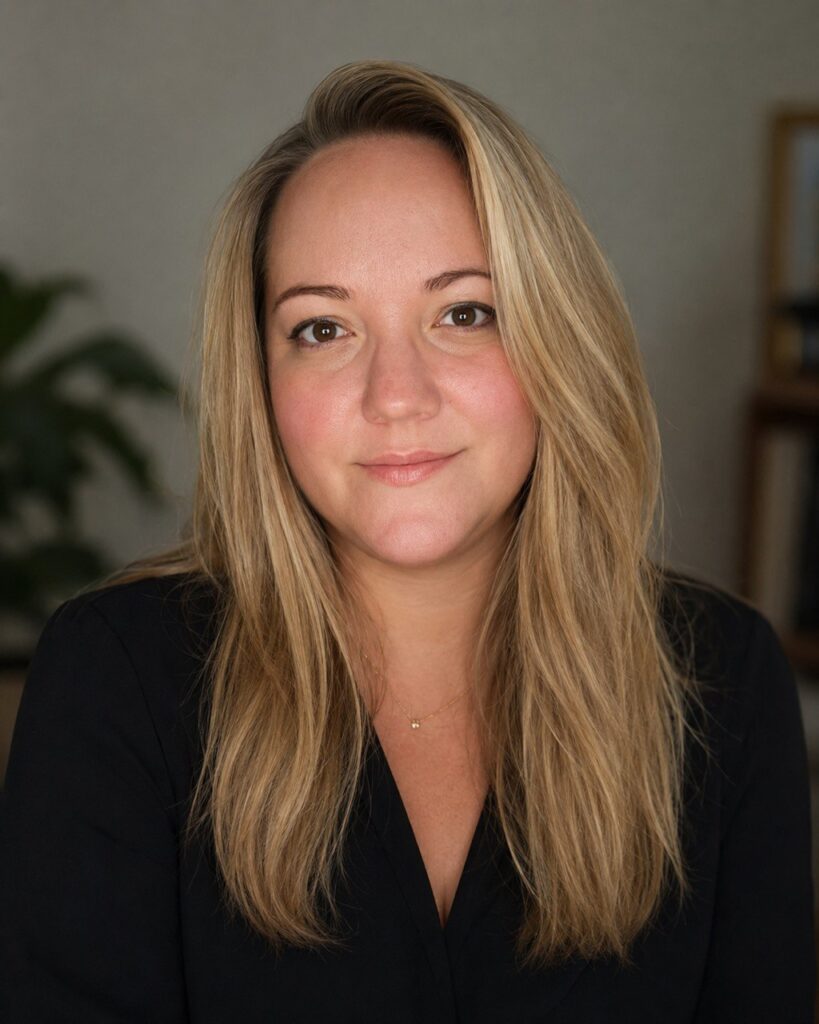
Szilvia Filó was born in Budapest and has been living in England for three years. She previously worked for eight years at the Central District Court of Pest as a court clerk and instructing clerk in the criminal division. This period taught her precision, responsibility, and sensitivity towards human stories.
She has loved reading passionately since childhood, and writing has long been an important part of her life. She feels that she inherited her love of literature and words from her grandmother, who was a primary school teacher. In her free time, she enjoys crocheting, knitting, drawing, and painting.
Support independent analysis and journalism at CEA Magazine: https://centraleuropeanaffairs.com/donation
For more insights on Central European political risk, EU institutional developments, and transatlantic relations, follow CEA Magazine and the CEA Talk podcast.
